
History
Belle and Sebastian: A Scottish Indie Pop Institution
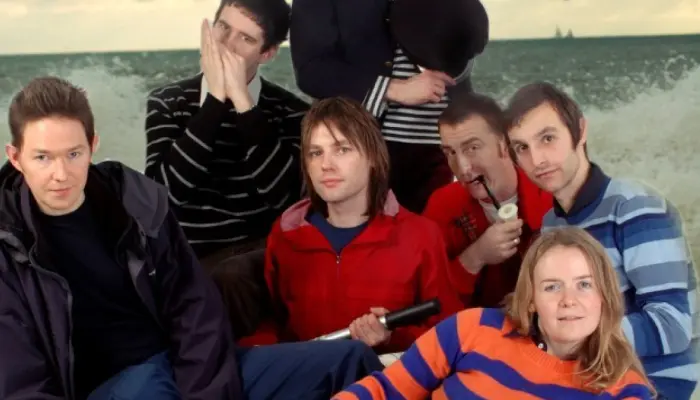
Belle and Sebastian, formed in Glasgow, Scotland, in 1994, are a seminal indie pop band renowned for their intimate and majestic sound. Led by guitarist and vocalist Stuart Murdoch, the seven-piece ensemble masterfully blends folk-rock sensibilities with the vibrant spirit of '60s pop. Murdoch's songwriting is characterized by a unique combination of whimsy, surrealism, and an uncanny ability to ground fantastical narratives with specific, often unsettling, lyrical details.
Early Years and Defining Sound
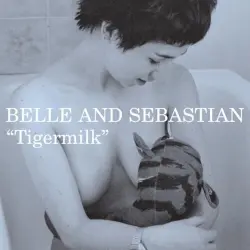
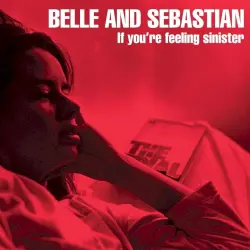
The band's formative years saw the release of their first two albums in 1996: Tigermilk, a three-day recording session, and If You're Feeling Sinister, completed in a week. These albums emerged during the peak of the chamber pop movement. While some British music critics initially categorized Belle and Sebastian within this subgenre, their delicate and distinct sound transcended such labels. In their early public existence, the band maintained an air of mystery, using publicity photos of a reluctant friend and performing in unconventional venues like homes, church halls, and libraries, in addition to traditional coffeehouses.
Origins and Formation
Prior to forming Belle and Sebastian, Stuart Murdoch battled chronic fatigue syndrome, which led him to leave school and spend seven years at home. During this period, he penned a short story inspired by the names from the children's book Belle et Sébastien. On New Year's Day 1996, Murdoch met singer and cellist Isobel Campbell. He initially planned to record a single for Stow College, adopting the name Belle & Sebastian for the project that was occupying his thoughts. Songwriting served as an escape for Murdoch, and he began recording demos with bassist Stuart David, whom he met at a government training program. Through Glasgow's social and musical circles, Murdoch quickly assembled a lineup for the Stow project, including Stevie Jackson (guitar), Mick Cooke (trumpet), Chris Geddes (keyboards), Stuart David (bass), Richard Colburn (drums), and Isobel Campbell (cello). What began as a project for Electric Honey Records evolved into a full album when course instructor Alan Rankine recognized the depth of Murdoch's material, challenging the band to record ten tracks in three days.
Breakthrough and Growing Acclaim
Belle and Sebastian independently released their debut album, Tigermilk, in May 1996 on Electric Honey Records. With only 1,000 vinyl copies produced, the album gained unexpected traction through word-of-mouth praise across the UK, transforming the band from a college project into a tangible entity. Their second album, If You're Feeling Sinister, followed in November 1996 on the independent Jeepster label. By the time it was released in America by EMI subsidiary The Enclave, the album had garnered significant critical acclaim in the UK from major publications, cultivating a substantial cult following. By some accounts, original pressings of Tigermilk were fetching high prices. Despite the band's growing popularity in America, a planned tour was canceled due to the bankruptcy of The Enclave.
Expanding the Discography and Lineup Changes
The band's cult status continued to grow in 1997 with the release of three critically acclaimed EPs: Dog on Wheels (May), Lazy Line Painter Jane (July), and 3.. 6.. 9 Seconds of Light (October), each climbing higher on the indie charts. Violinist Sarah Martin joined the band that year. By September 1998, Belle and Sebastian had secured an American record deal with Matador Records, releasing The Boy With the Arab Strap. The following year saw a highly anticipated re-release of their debut, Tigermilk. After the release of Fold Your Hands Child, You Walk Like a Peasant in 2000, Stuart David departed to focus on his solo project, Looper, with Bobby Kildea of V-Twin taking over bass duties. In 2001, the band released two EPs and composed the soundtrack for Todd Solondz's film Storytelling. Shortly before the soundtrack's release in spring 2002, Belle and Sebastian undertook an extensive tour of North America before heading to Europe for the summer festival season. During the tour, Isobel Campbell amicably departed from the band.
New Labels and Continued Success
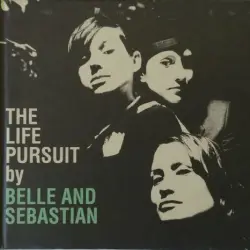
A significant shift occurred when Belle and Sebastian moved from Jeepster and Matador to sign with Rough Trade. Their subsequent album, 2003's Dear Catastrophe Waitress, was produced by Trevor Horn. The record yielded successful singles such as "Step into My Office, Baby" and "I'm a Cuckoo," the latter becoming the band's highest-charting single in the UK. Following an extensive world tour that marked a new level of success, the band returned to Scotland to prepare for their seventh album, The Life Pursuit, released in 2006. Their eighth studio album, Write About Love, was released in 2010.
Discography