
History
Taï Phong
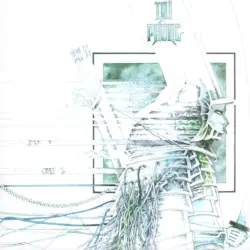
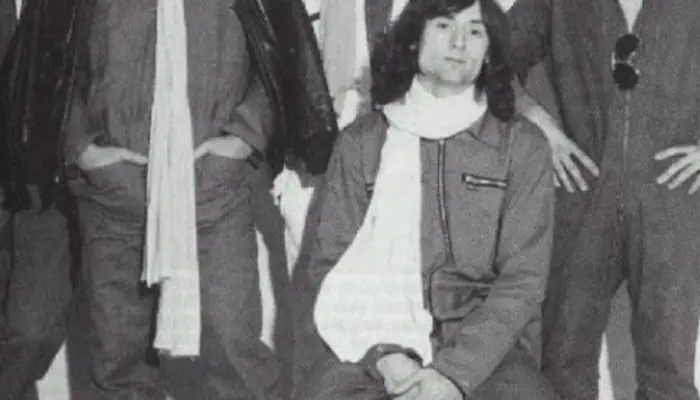
Taï Phong was a French progressive rock band active in the 1970s, notable for featuring the future acclaimed singer-songwriter Jean-Jacques Goldman. The band's core members included guitarist Khanh Mai, bassist, keyboardist, and guitarist Tai Sihn, keyboardist Jean Alain Gardet, and drummer Stephan Caussarieu. They released three studio albums during the 1970s and later reformed with a different lineup to release another album in 2000.
Origins and Early Years
Founded by Vietnamese brothers Kahn and Taï Ho Tong, Taï Phong presented a unique profile within the French music scene. Their sound has been compared to bands like Camel and Novalis, with some describing them as "France's answer to Barclay James Harvest." The initial formation of the band occurred in 1972. This early iteration included an American and a German member. However, contract disputes arose during their recording process. The brothers' refusal to accept the offered terms led to the loss of their record deal and the departure of the other two members. Keyboardist Jean Alain Gardet and Jean-Jacques Goldman soon joined the band.
The Classic Lineup and First Albums
In 1973, Taï Phong entered the studio again, but further artistic disagreements and contract negotiations delayed the release of any material for several years. By 1974, a satisfactory contract was secured, and 17-year-old Stéphan Caussarieu joined as the drummer, completing the lineup that would record their first two albums. This period marked a convergence of considerable talent and strong personalities.
Challenges and Lineup Changes
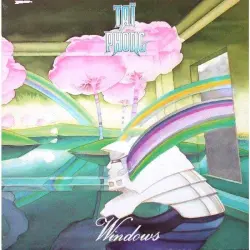
Following the release of their 1976 album, "Windows," internal shifts began. Jean-Jacques Goldman pursued solo projects, and Jean Alain Gardet recorded an album with Alpha Ralpha. The commercial performance of "Windows" was not strong, and the band had reportedly invested the entirety of their debut album's earnings into new sound equipment. Goldman expressed a reluctance to perform live, a significant issue given his crucial role in the band's sound. This, coupled with the financial strain, led to Jean Alain Gardet's departure. In 1977, the band embarked on a tour with bassist Michael Jones also taking on lead vocal duties, but the dynamic proved unsustainable. Remaining tour dates were canceled to focus on studio work. It was during this turbulent period that brother Taï left the band.
"Last Flight" and Disbandment
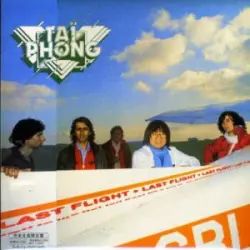
Despite the internal turmoil, Taï Phong released their 1979 album, "Last Flight." However, the creative spark of their earlier work seemed diminished. By 1980, interest in the band had waned, and they found themselves embroiled in another contract dispute. Rather than pursue a fourth album, the band ultimately disbanded.
Reformation and "Sun"
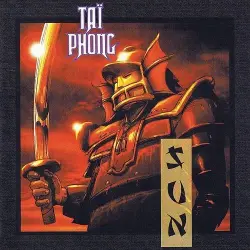
Interest in Taï Phong's music experienced fluctuations over the years, partly fueled by the enduring popularity of their song "Sister Jane." The reissue of their albums in 1993 reignited attention and led to discussions about a reunion. Kahn and Stephan Caussarieu were the primary driving forces behind this renewed effort. In 1995, they began developing new material. Jean-Jacques Goldman was not interested in rejoining, so Hervé Acosta was recruited for lead vocals. Angelo Zurzulo, who had previously served as a replacement keyboardist, also joined the new project. After a period of development, their efforts culminated in the release of the album "Sun" in 2000.