
History
Tribe After Tribe
Formation and Early Years in South Africa
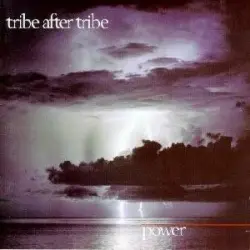
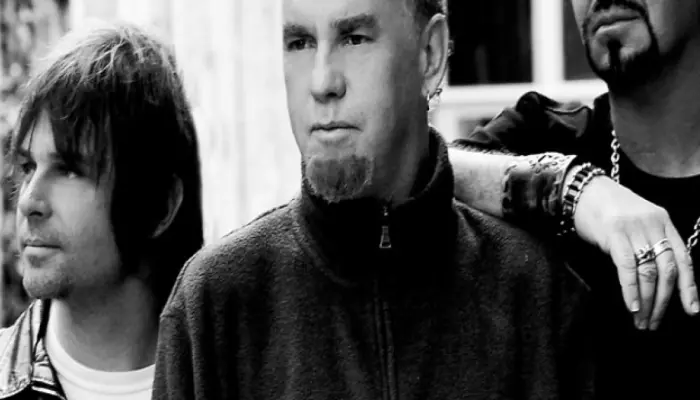
Tribe After Tribe was formed in Johannesburg, South Africa, in 1984 by guitarist Robbi Robb, formerly of Asylum Kids. The band released their debut album, Power, which showcased new-wave influences, in 1985. Shortly after, circumstances led the band to relocate to Los Angeles.
Re-emergence in Los Angeles and Evolving Sound
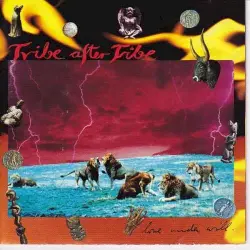
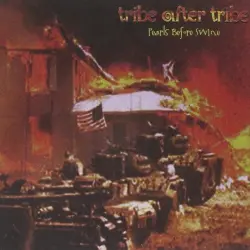
Following a six-year hiatus, Tribe After Tribe re-emerged in 1991 with their self-titled album, Tribe After Tribe. This release marked a significant shift, featuring an entirely new lineup and a sound that blended experimental tribal African music with powerful alternative rock. Throughout the 1990s, Robb continued to explore this direction, releasing two more albums: Love Under Will in 1993 and Pearls Before Swine in 1997. The latter featured notable guest appearances from Joey Vera (Armored Saint), Doug Pinnick (King's X), and Jeff Ament (Pearl Jam). In parallel, Robb collaborated with Ament on the side project Three Fish, which released two albums in 1996 and 1999.
A Darker Turn with Enchanted Entrance
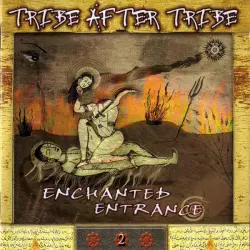
After a period of silence, Tribe After Tribe resurfaced in 2002 with the album Enchanted Entrance. This record reflected Robbi Robb's challenging experiences with inconsistent label support and touring difficulties, ushering in a second major sonic transformation. Moving away from the upbeat styles of previous works, the album delved into darker territories, incorporating mystic rhythms, aggressive guitars, driving rock drums, ambient textures, industrial noise, trance-like chants, and deep grooves.
The Thematic Depth of M.O.A.B.
In 2008, Tribe After Tribe released M.O.A.B. (Mother Of All Battles). This album was described as a vital commentary on the complexities of the 21st century, drawing inspiration from ancient narratives and examining divisive belief systems that have been distorted over millennia. The music aimed to expose the enduring forces of ideologies like Apartheid, suggesting a shared human heart where conflict is ultimately self-inflicted. The album's title itself carries multiple interpretations, referencing the biblical land of Moab, Saddam Hussein's "Mother Of All Battles" declaration, and the American "Massive Ordnance Airblast Bomb." Drawing partly from the Book of Deuteronomy, the songs sought to resonate with long-time fans while attracting new listeners.
Musical Characteristics and Artistic Vision
M.O.A.B. featured signature Tribe After Tribe elements, including psychedelic guitar work and pulsating rhythms on tracks like "Supreme One," "Burning Bush," "Truth and Reconciliation," and "Holy City Warrior." The album also incorporated more introspective and pastoral passages, reminiscent of Peter Gabriel's work on the Passion soundtrack. The closing track, "World Drum," was noted for its evocative sound. The album's liner notes and Robbi Robb's statements emphasized a message of unity, urging listeners to look inward and find common ground, advocating for collective efforts to eradicate global issues like disease and poverty.