
History
Ripcord
Ripcord was a seminal UK hardcore punk band formed in 1984 in Weston-Super-Mare, England. Emerging from the vibrant British hardcore scene of the 1980s, the band quickly established a reputation for their intense, up-tempo sound, heavily influenced by pioneers like Siege and Discharge. Despite a relatively short lifespan, Ripcord shared stages with notable acts such as Napalm Death, Heresy, and Doom.
Formation and Early Demos
The band's origins trace back to Steve "Baz" Ballam and John Millier. They assembled the initial lineup from members of Ballam's previous bands, recording their first demo, In Search of a Future, in 1985. This early material showcased an abrasive, fast hardcore sound with thrash elements. The original lineup, featuring Ballam on bass, Millier on drums, Malcolm on guitar, and Jimmy on vocals, was short-lived, lasting only for this demo and a few live performances. Following Malcolm's departure, Ballam took over guitar and bass duties for a second demo, with Jimmy leaving soon after, leaving the band as a duo.
Developing Sound and First Vinyl Release
In 1986, Ripcord solidified their lineup with the addition of Steve Hazzard on bass and Brian "Buzby" Birchell on vocals. This new configuration led to a third demo tape and increased live activity. Their debut vinyl release, the nine-song flexi-disc The Damage is Done, was issued on their own Raging Records label. A subsequent tour to promote the release was hampered by an unreliable promoter. The band's fourth demo, Fast and Furious (1986), distributed by Manic Ears, further expanded their reach.
Defiance of Power and Growing Acclaim
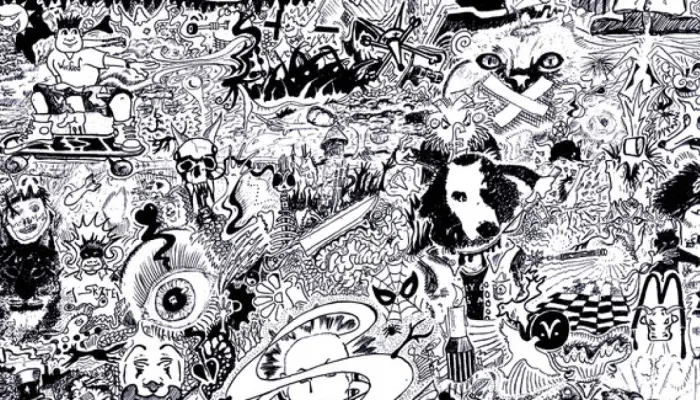
1987 marked a significant year for Ripcord, with a successful tour alongside fellow hardcore heavyweights BGK, Heresy, and The Stupids. While a split LP was considered, the band opted for a full-length album, Defiance of Power, released by Manic Ears. The initial pressing encountered an issue, with the record being returned from the plant due to unwanted noise caused by the master tape being recorded over an old session. After correction, the thrash masterpiece was finally released in March 1987. Buzby's artwork for the album, featuring a distinctive hayseed character with a scythe and moonshine bottle, became an unofficial band mascot. Lyrically, Buzby focused on animal rights, drug use, and controversial social commentary, while Ballam and Millier addressed broader political themes, including anti-war sentiments, all delivered with intense, ultra-fast thrash.
Lineup Changes and the Harvest Hardcore EP
Following an incident where Ballam was injured during a show, the band embarked on a tour with Napalm Death. After this tour, Steve Hazzard departed, and Napalm Death's Shane Embury briefly filled the bass position. A subsequent tour with Heresy led to another significant lineup change: Buzby was dismissed due to conflicts with Ballam. With Buzby's departure occurring mid-recording for the Harvest Hardcore 7" EP, the band enlisted former bassist Steve Hazzard to assist. This EP signaled a shift in Ripcord's sound, moving from raw thrash towards a more precise assault inspired by US hardcore, evident in their covers of Siege and SS Decontrol. The complexity of their songwriting and speed continued to increase.
Poetic Justice and Final Years
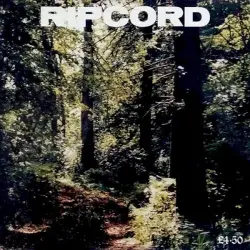
After a significant portion of their equipment was stolen, Ripcord raised funds for new gear through a successful tour of Ireland. In 1988, they recorded a session for John Peel and released a live album as part of the "Your Choice Live" series. Returning to their preferred studio in Holland, the band recorded their second and final album, Poetic Justice. This record continued the manic, US-influenced thrash sound established on the Harvest Hardcore EP. The album's insert featured mock flyers alongside real ones, showcasing the band's evolving influences. Lyrically, Poetic Justice explored a wider range of topics, from personal statements to critiques of consumer culture, as exemplified by the title track.
Disbandment and Legacy
Following the release of Poetic Justice, Steve Hazzard left the band again to move to the United States. Four years after their formation, Ripcord played their final show in Weston-Super-Mare in 1988. Ballam had become a full-time member of Heresy, which also disbanded by the end of the year. Hazzard later returned to England, singing in the band Spite with John Millier. Other members have been involved in various musical projects over the years. Ballam, Millier, and Embury reunited to form the thrash band Dumbstruck. The Ripcord discography, including the Peel Session and live album, has been reissued on two CDs: Hardcore covers the Buzby era, and More Songs About compiles material featuring Hazzard on vocals, ensuring their powerful music remains accessible.
Discography