
History
The Five Stairsteps: A Family's Journey Through Soul and Beyond
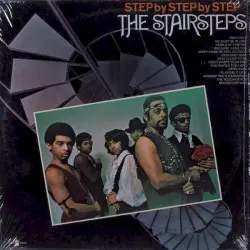
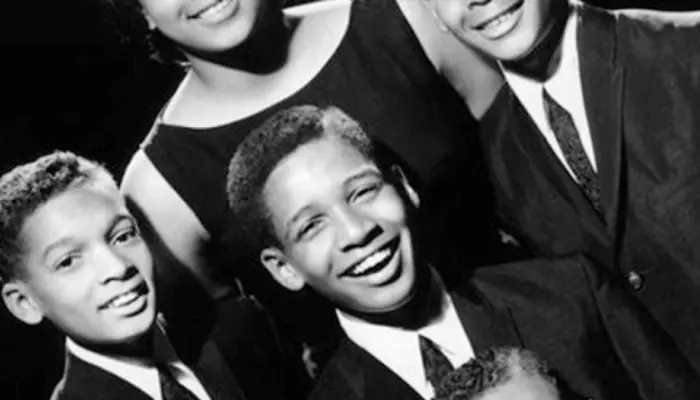
The Five Stairsteps, affectionately known as "The First Family of Soul," emerged from Chicago as a prominent American soul group. The ensemble comprised five of the six children of Betty and Clarence Burke Sr.: Alohe Jean, Clarence Jr., James, Dennis, and Kenneth "Keni." For a brief period, their younger brother, Cubie, also participated.
The Genesis of a Soulful Dynasty
The moniker "First Family of Soul" was bestowed upon the group due to their impressive five-year chart presence, a title later passed to the Jackson 5. Initially formed as a teenage sibling vocal group, the Five Stairsteps were named by Mrs. Burke, who observed that her children resembled stair steps when lined up by age. The original lineup featured lead vocalist Clarence Jr., Alohe, James, Dennis, and the youngest, 13-year-old Kenneth ("Keni"). Many of the siblings attended Harlan High School.
Clarence Sr., a detective with the Chicago Police Department and a devoted father, provided crucial support to the group. He played bass guitar, managed their career, and co-wrote songs with Clarence Jr. and Gregory Fowler.
From Local Talent to National Recognition
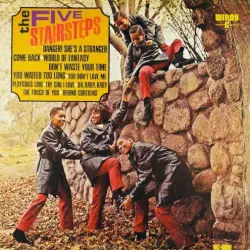
After clinching first prize at a talent contest held at the iconic Regal Theater, the Five Stairsteps garnered significant attention from record labels. A family friend and neighbor, Fred Cash of The Impressions, facilitated an introduction to Curtis Mayfield. This led to the group signing with Mayfield's Windy City label, distributed by Cameo Parkway Records. Their debut single featured Gregory Fowler's ballad "You Waited Too Long" on the A-side and Mayfield's upbeat "Don't Waste Your Time" on the B-side. "You Waited Too Long" proved to be a double-sided hit in Chicago, reaching number 16 on the R&B charts in the spring of 1966, marking the beginning of their successful chart run.
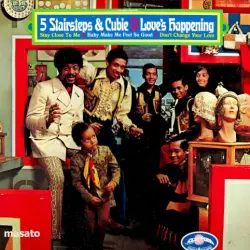
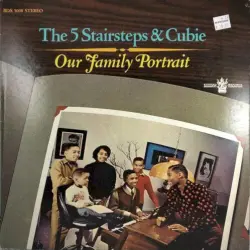
As Cameo-Parkway dissolved around the end of 1967, Windy City transitioned to Buddah Records, a New York-based label headed by Neil Bogart, a former Cameo-Parkway executive. It was during this period that their second album, Family Portrait, was recorded and produced in Chicago by Clarence Jr. With the addition of their three-year-old brother, Cubie, the group briefly performed as the Five Stairsteps & Cubie. The album spawned two hit singles: "Something's Missing" and a rendition of Jimmy Charles and the Revellettes' hit "A Million to One." The group frequently toured alongside The Impressions.
"Ooh Child" and Evolving Sounds
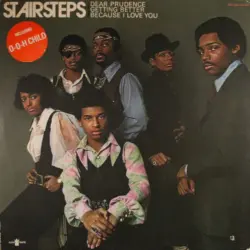
Upon signing with Buddah Records, the group reverted to being known simply as the Five Stairsteps. The spring of 1970 saw the release of their most significant hit, the certified million-seller "Ooh Child," penned by Stan Vincent. This iconic song reached number 14 on the R&B charts and number eight on the pop charts. The distinctive falsetto bridge and ad-libs were performed by the Stairsteps' cousin, Charles "Chaz" Simmons. The B-side of the single, a cover of The Beatles' "Dear Prudence," charted at number 49 R&B.
The following year, the group re-emerged as the Stairsteps with two charting singles on Buddah: "Didn't It Look So Easy" and "I Love You-Stop." They also appeared in the 1970 film The Isley Brothers Live At Yankee Stadium, a documentary capturing a benefit concert featuring various artists affiliated with Buddah Records.
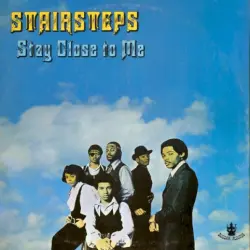
In the early 1970s, the group was known as Stairsteps, with Alohe still a member. Cubie, though not a regular vocalist, would later gain recognition as a dancer with the Dance Theater of Harlem. Billy Preston facilitated the group's introduction to The Beatles, leading to a signing with George Harrison's Dark Horse label, distributed by A&M Records.
Later Years and Lasting Legacy
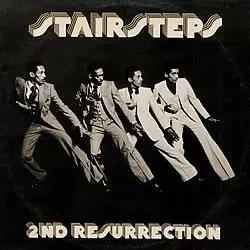
Alohe departed the group in 1972 to embark on a spiritual journey, later pursuing higher education and a career at Emory University, where she also served as a guest speaker. In February 1976, their album Second Resurrection was released, produced by Preston, Robert Margouleff, and the Stairsteps. "From Us to You," written by Clarence Jr. and Keni Burke, became their biggest hit since "Ooh Child," peaking at number ten R&B in early 1976. The subsequent single, "Passado," which was also covered by the group Pockets, received significant airplay in major markets.
Keni Burke showcased his talents on the third single, "Tell Me Why" b/w "Salaam," contributing vocals, bass, and songwriting. The group later released two albums under the moniker The Invisible Man's Band, achieving success with the disco hit "All Night Thang," which reached number 9 on the charts. They reportedly adopted this new name to avoid alienating their established fan base who might not have associated The Stairsteps with disco music. The group eventually disbanded.