
History
Test Dept.
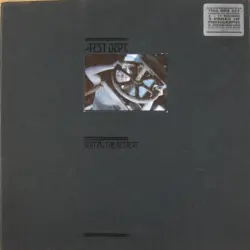
Test Dept. emerged from New Cross, London, in 1981, founded by Paul Jamrozy, Graham Cunnington, Angus Farquhar, Paul Hines, and Toby Burdon. The band distinguished itself by crafting its unique sonic palette from salvaged scrap metal, drawing materials from local scrapyards. This innovative approach to sound was further enriched by experimental electronics, early sampling techniques, and a dynamic fusion of film and slide projections. They also incorporated traditional instruments, notably bagpipes, with contributions from Alistair Adams. Test Dept. is widely recognized by musicians as a seminal and highly influential act in the early industrial music scene. Their work was underpinned by a powerful commitment to radical politics; a notable multi-media performance at Paddington Station in 1986, commemorating the abolition of the Greater London Council (GLC), remains a landmark event of the decade.
Musical Evolution and Discography
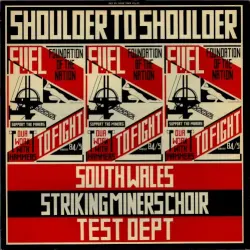
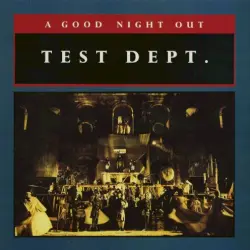
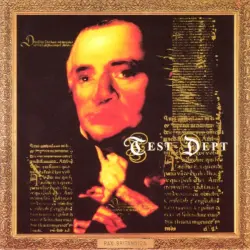
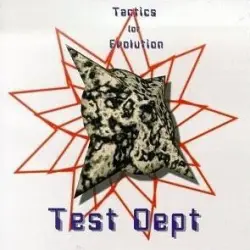
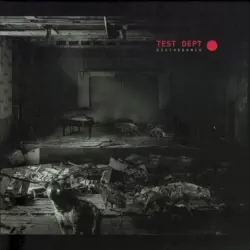
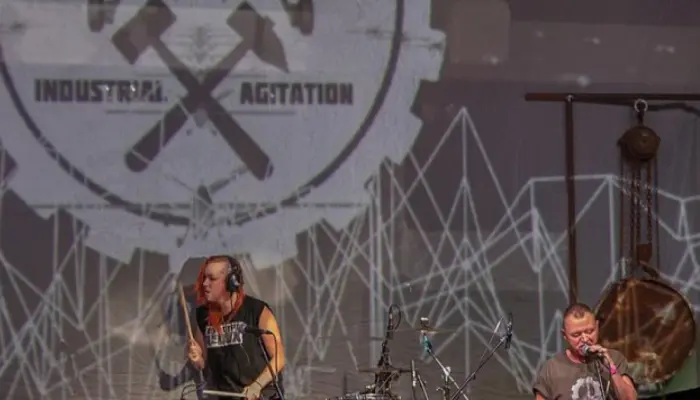
The band's discography reflects a broad spectrum of influences and stylistic explorations. A significant collaboration occurred with the South Wales Striking Miners' Choir in 1984, in solidarity with the Miners' Strike. Test Dept. became particularly known for their complex and potent percussion arrangements and their high-octane live performances. Their performance venues ranged from iconic London stations like Waterloo and Cannon Street to Expo 86, Stirling Castle, and the former St Rollox Railway Works in Glasgow.
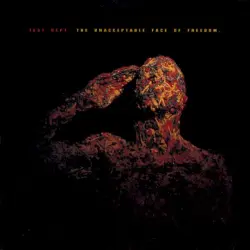
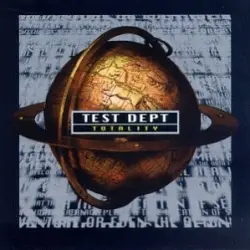
In their later years, Test Dept.'s music evolved, moving away from a purely industrial sound to embrace elements of techno and other dance music genres. The band's political engagement was further galvanized by the passing of the Criminal Justice and Public Order Act in 1994.
Legacy and Post-Band Endeavors
Test Dept. continued its activities until 1997. Following the band's conclusion, its former members have remained active in the fields of art and culture. Angus Farquhar returned to Scotland, where he revived the ancient Celtic Beltane Fire Festival, an annual event held on Calton Hill in Edinburgh on the eve of May 1st. He also founded NVA, a pioneering theatre company focused on large-scale, site-specific performances.
Graham Cunnington, who lives with chronic rheumatoid arthritis, presented a solo show in 1996 titled "Pain," detailing his experiences with the condition. Paul Jamrozy continues to explore electro-magnetic art under the moniker Satellitic, creating installations and experimental sonic electronic performances. More information can be found at www.satellitic.org.uk.