
History
Skinny Puppy
Skinny Puppy was a highly influential industrial band formed in Vancouver, British Columbia, Canada, in 1982 by core members cEvin Key and Nivek Ogre. The band officially concluded their career following their final tour on December 5, 2023.
Early Influences and Experimental Sound
Drawing inspiration from pioneering artists such as Chrome, Kraftwerk, Cabaret Voltaire, Throbbing Gristle, Portion Control, and The Legendary Pink Dots, Skinny Puppy became known for their innovative approach to electronic music. They utilized a diverse array of instruments and techniques, including keyboards, synthesizers, found sounds, drum machines, live percussion, tape splicing, samplers, and traditional rock instruments. Unlike many contemporaries who remixed songs for danceability or radio formats, Skinny Puppy treated remixing as an artistic reinterpretation, often exploring ambient, dub, and techno styles. Their creative process was characterized by an informal, improvisational method they termed "brap," defined as the act of connecting electronic instruments, getting high, and recording.
Debut and Developing Identity
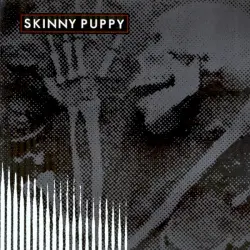
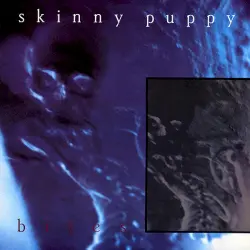
The band's initial releases, Bites and Remission, blended the found-sound chaos of early Cabaret Voltaire with the abrasive, futuristic synth-pop of bands like The Units and Crash Course in Science. These early works featured the signature intense synth programming, abstract rhythms, and surreal samples that would become hallmarks of the Skinny Puppy sound, while also incorporating elements of new wave.
Gaining Traction and Refining Their Sound
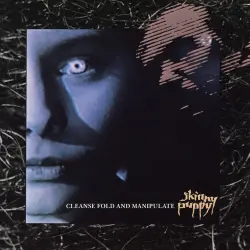
An EP titled Chainsaw included a remix of "Assimilate" from Bites, which garnered attention from club DJs. In 1986, Mind: The Perpetual Intercourse brought Skinny Puppy greater recognition, with "Dig It" and "Stairs and Flowers" becoming popular on alternative club and college radio circuits. The music video for "Dig It" also saw occasional airplay on MTV. This album marked a move towards a more claustrophobic and surreal sound, often burying rhythm and melody, a direction continued on the subsequent release, Cleanse, Fold, and Manipulate.
Breakthrough and Thematic Evolution
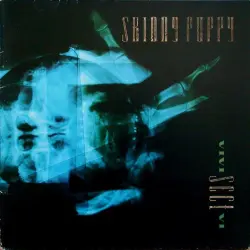
VIVIsectVI represented a significant breakthrough for the band. The track "Testure" became their most successful club hit to date, and the album was well-received by college radio. The album's title was a deliberate pun linking vivisection with Satanism. Lyrically, VIVIsectVI delved into more political and social themes, with "Testure" addressing animal rights, "VX Gas Attack" concerning chemical weapons, and "State Aid" advocating for sexual abstinence to combat the spread of AIDS/HIV.
Collaboration and Divergence
Ogre's interest in Ministry and Al Jourgensen's side projects led to Jourgensen producing the album Rabies. While the track "Worlock," produced separately, remains an industrial club classic, the album received a mixed reception, as Jourgensen's heavy metal guitar influence was seen by some as clashing with Skinny Puppy's intricate sonic textures. The band briefly disbanded following this period.
Return to Electronic Roots and Continued Evolution
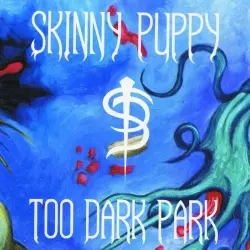
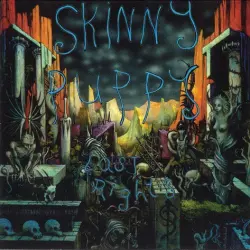
Reforming, Skinny Puppy returned to their electronic foundations with Too Dark Park, an album described as hallucinogenic and drawing equally from psychedelia and industrial music. Last Rights, released two years later, explored similar territory, culminating in the epic sound sculpture "Download." Although their sound had shifted away from industrial dance, these albums broadened their audience and influenced numerous industrial bands throughout the 1990s.
Tragedy and The Final Chapter
Following Last Rights, and on the cusp of potential mainstream success amplified by the commercial achievements of Nine Inch Nails, the band moved from Nettwerk to American Recordings. Their highly anticipated next album, The Process, was tragically impacted by the death of keyboardist Dwayne Goettel and internal disagreements regarding the album's direction. After working with various producers, including Martyn Atkins and Roli Mosimann, the band ultimately reunited with longtime collaborator Dave "Rave" Ogilvie to complete the record. The Process explored a wider range of styles, incorporating gothic pop and heavy metal alongside their signature electronic textures. Despite its experimental nature and the difficult circumstances of its creation, the album was reportedly rushed and received limited promotion from American Recordings, leading to the band's final breakup.
Visuals and Performance Art
Skinny Puppy's music videos were integral to their artistic vision, often extending the themes and concepts of their compositions. However, many of these videos faced limited airplay on major music video networks like MTV and MuchMusic, with some being outright banned. The video for "Worlock," for instance, was universally banned due to its graphic content derived from horror films, and its unauthorized use of clips prevented commercial release.
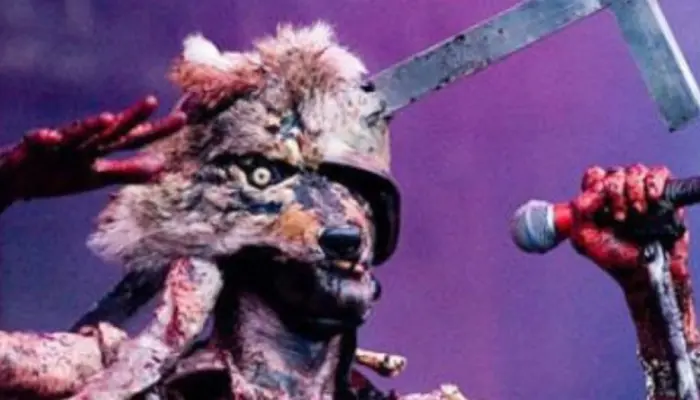
Their live performances were renowned for their elaborate and often shocking conceptual performance art, designed to challenge audiences. While their music found acceptance in dance clubs due to its rhythmic qualities, it had minimal presence on commercial radio. Despite limited mainstream commercial success outside of Canada, Skinny Puppy's influence on the industrial music genre is profound.
Lyrical Themes and Artistic Philosophy
From their inception, Skinny Puppy aimed to create music that was "raw" and "real." Ogre's distinctive vocal style, characterized by growls, snarls, fragmented sentences, and stream-of-consciousness delivery, is a key element of their sound. Lyrical themes frequently explored animal rights, politics, religion, horror, drug abuse, disease, and environmental degradation, often interwoven conceptually and lyrically. The band's sound is also defined by its masterful blend of heavy sampling and experimental noise with softer musical elements, occasionally bordering on synth-pop.
Post-punk political commentary was a recurring motif in Skinny Puppy's work. The band's name has been interpreted as reflecting a perspective on the world from the viewpoint of a suffering creature. Their commitment to animal rights was particularly evident in songs like "Testure," which critiqued vivisection and animal testing. During concerts, Ogre often embodied a "scientist" character, performing mock experiments on stuffed animals. In 1988, the band was arrested for these staged vivisections, finding irony in being detained for parodying real-world practices occurring nearby.
Later Years and Legacy
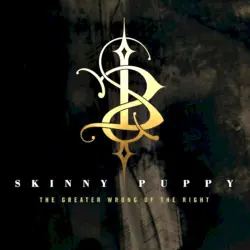
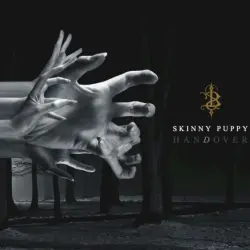
The final two studio albums were subjects of debate among longtime fans. The recording of The Process coincided with the band's breakup and the tragic death of Dwayne Goettel from an apparent heroin overdose. Some attribute the album's perceived lack of cohesion to diverging musical interests among the members, while others point to the impact of heroin. Key and Ogre later reunited as Skinny Puppy for a one-off concert in Germany in 2003, deciding to continue the project. This led to the release of The Greater Wrong of the Right in 2004, their first studio album in eight years, marking the beginning of a new, evolving phase for the band.
Side Projects
Skinny Puppy members were involved in numerous side projects both before and after the band's 1995 dissolution. The Tear Garden was a collaboration between cEvin Key and Edward Ka-Spel of The Legendary Pink Dots. Other notable projects include Download, Hilt, Plateau, Cyberaktif (a collaboration between Key, Goettel, and Bill Leeb), Rx (a one-off collaboration between Ogre and Martin Atkins), ADuck (Goettel's solo project), A CHUD Convention (a collaboration with a;GRUHM...), Ogre's contributions to Pigface, Ogre and Mark Walk's band ohGr, and solo releases from cEvin Key.
Discography