
History
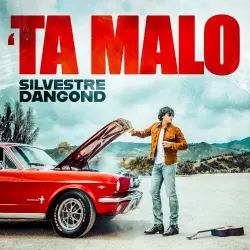
Silvestre Dangond is a prominent Colombian singer, composer, and percussionist who has become one of the most influential figures in modern vallenato. Born Silvestre Francisco Dangond Corrales on May 12, 1980, in Urumita, La Guajira, he is widely recognized as a leader of the "Nueva Ola" (New Wave) movement, a style that modernized traditional vallenato for a younger generation.
Early Life and Musical Roots
Dangond spent much of his youth in Valledupar, the heart of vallenato culture, after his family relocated there when he was a year old. Music was a constant presence in his upbringing; his father encouraged his participation in local children's festivals, and his godfather was the legendary vallenato singer Jorge Oñate. These early influences were pivotal, and by the age of 13, Dangond had already recorded a song written by the acclaimed composer Octavio Daza.
Professional Debut and Partnership with Román López
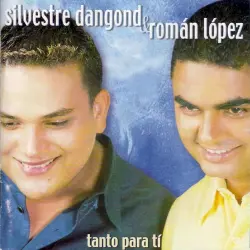
After completing his education at the Liceo del Caribe, Dangond committed himself fully to a musical career. He formed a partnership with accordionist Román López, and the duo began performing at private parties and local events. In 2002, they released their debut album, Tanto para tí. The project featured 12 tracks, including "Quien me mando," which was written by Dangond himself, and contributions from established composers like Fabián Corrales and Felipe Peláez. During this period, Dangond also established a close friendship with Kaleth Morales, another rising star of the genre.
The Era of Juancho De la Espriella
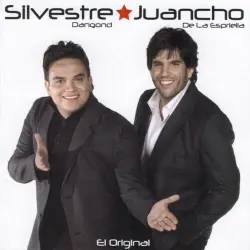
A significant turning point in Dangond's career occurred when he met accordionist Juancho De la Espriella through promoter Carlos Blum. Although both were aware of each other's work, they had not collaborated until Blum arranged for them to perform together at a departmental celebration in Cesar. Their chemistry was immediate, leading to the formation of a duo that would dominate the vallenato scene for years.
Breakthrough and Success
Their first collaborative album, Lo mejor para los dos (2003), generated significant interest among fans and critics alike. The duo maintained an intensive touring schedule, performing in more than 250 shows throughout the year. Their follow-up release in 2004, Mas unidos que nunca, solidified their status as major stars. The album included the hit single "La colegiala," which became a defining track for the "Nueva Ola" movement and helped the duo achieve national commercial success.
International Expansion
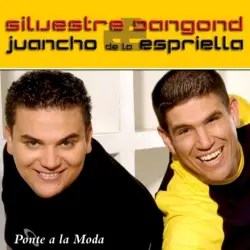
In 2005, Dangond and De la Espriella released Ponte a la moda. The album was not only a hit in Colombia but also found a substantial audience abroad, particularly within Latin American communities in the United States. Featuring tracks such as "Pa una mujer bonita" and "La indiferencia," the album further established Dangond as a versatile performer capable of blending traditional vallenato rhythms with contemporary energy.
Discography