
History
Yuri: A Mexican Music Icon
Yuri, born Yuridia Valenzuela Canseco on January 6, 1964, is a renowned Mexican singer and actress hailing from Veracruz. Her artistic journey began at a young age, showing an early interest in performance. While accepted into a prestigious Russian ballet, her parents' concerns about her living abroad prevented her from pursuing this path.
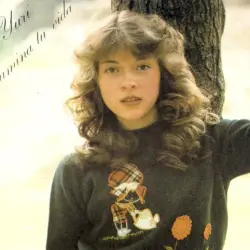
By the age of 12, Yuri was a familiar face on Mexican television, participating in popular children's programs like the Cepillin show on Televisa. The late 1970s marked the release of her debut album and her first foray into international competition when she represented Mexico at the Festival Oti, securing second place and the award for best newcomer.
Career Breakthrough and International Stardom
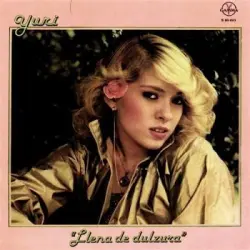
In 1980, Yuri signed with Gamma Records, propelling her career to new heights. Her music quickly gained popularity across numerous Hispanic countries, including Spain, El Salvador, Puerto Rico, Venezuela, Colombia, Panama, and Argentina. Before achieving full international superstar status, she returned to the Festival OTI in 1982, earning fourth place.
Throughout the 1980s, Yuri consistently topped the charts, accumulating over 100 gold albums in Mexico. A standout hit from this era is the disco-infused track "Que Te Pasa." Beyond her music, Yuri also ventured into acting, starring alongside Chayanne in the 1994 telenovela "Volver a Empezar."
Personal Evolution and Continued Success
In 1995, Yuri married a Chilean musician. Later in her life, she embraced Christianity, releasing Christian-themed albums. This transition led to some public discussion when she later returned to performing secular music. Her presence on television continued, as she hosted the 2005 season of the talent competition "Objetivo Fama" and served as a judge for both seasons of "Cantando Por un Sueño," where she also performed multiple times.
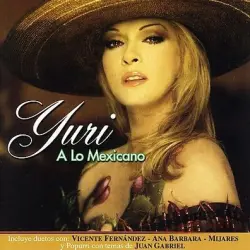
In 2006, Yuri collaborated with Mexican singer Mijares on the album "Acompañame," featuring the romantic ballad of the same title. Her enduring impact on the music scene has led to her being affectionately nicknamed "La Madonna Mexicana," a title also associated with Gloria Trevi.
Discography