History
Early Life and Career Beginnings
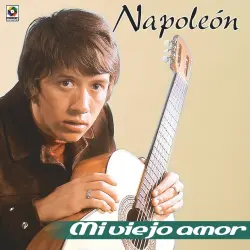
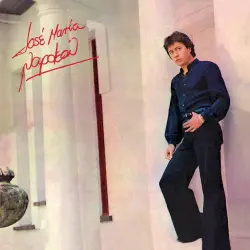
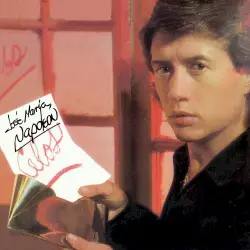
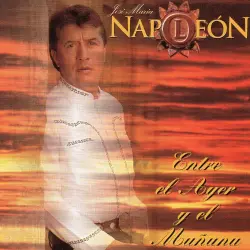
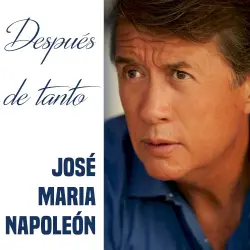
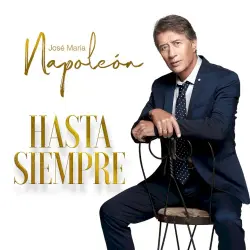
José María Napoleón, widely known as "El Poeta de la Canción" (The Poet of Song), is a legendary Mexican singer and composer who has left an indelible mark on the Latin romantic ballad genre. Born on August 18, 1948, in Aguascalientes, Mexico, he moved to Mexico City in 1966 to establish himself in the competitive music industry. His early years were marked by a dedication to crafting lyrics that resonated with the everyday experiences of his audience, blending folk influences with contemporary pop sensibilities.
The OTI Festival and Rise to Fame
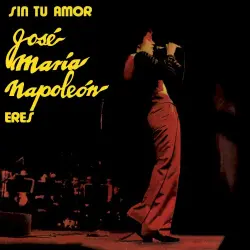
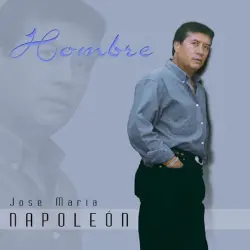
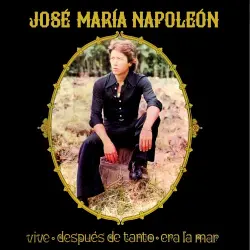
Napoleón's breakthrough came in the 1970s, a decade that defined his artistic identity. In 1977, he achieved significant acclaim at the OTI Festival (Organización de Televisión Iberoamericana), where he performed his iconic song "Hombre." This performance catapulted him to international stardom and established him as one of the most respected voices in Ibero-American music. During this era, he released several hits that became staples of the genre, including "Vive," "Pajarillo," and "Eres."
Legacy as a Songwriter
While his vocal performances are celebrated, Napoleón’s legacy is equally defined by his prolific output as a songwriter. His compositions possess a timeless quality that has led them to be covered by a diverse array of legendary artists across various genres. Notable performers who have recorded his work include:
José José (most notably the hit "Lo que no fue no será")
Vicente Fernández
Pepe Aguilar
Yuri
Plácido Domingo
Pedro Fernández
Throughout his career, Napoleón has maintained a reputation for professional excellence and emotional depth. His ability to navigate the evolving landscape of Mexican music while staying true to his poetic roots has earned him numerous accolades and a devoted multi-generational following. Even decades after his debut, his music continues to be a cornerstone of the romántica repertoire.
Discography