
History
The Divine Comedy
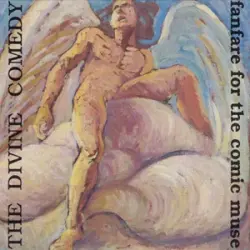
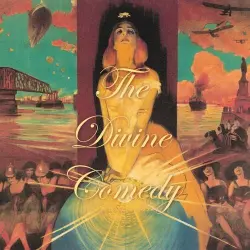
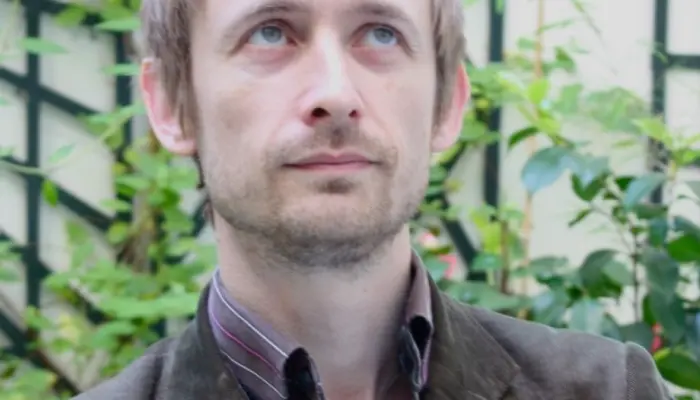
The Divine Comedy is a baroque pop band currently based in Dublin, Ireland, led by its sole constant member, Neil Hannon. Founded in 1989 by Hannon, the band's early years saw the release of the R.E.M.-influenced album Fanfare for the Comic Muse, which met with limited success. This was followed by EPs such as Timewatch (1991) and Europop (1992). Following the commercial underperformance of Europop, the initial lineup dissolved.
Artistic Evolution and Breakthrough
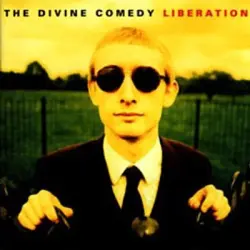
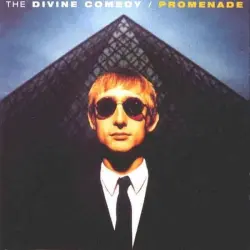
Undeterred, Hannon re-emerged in 1993 with the album Liberation, showcasing a diverse musical palette ranging from synth-pop to classical arrangements. While initial commercial success was modest, the band found a receptive audience in France, which paved the way for their 1994 album, Promenade. Heavily influenced by classical music, particularly the style of Michael Nyman, this concept album about a day in the life of two lovers garnered critical acclaim but did not achieve widespread commercial success.
During this period, Hannon also gained recognition for his work on television soundtracks. He wrote and performed the theme music for the sitcom Father Ted, later incorporating it into the song "Songs of Love" on the album Casanova. He also composed the deliberately kitsch mock-Eurovision song "My Lovely Horse" for the show. Later, The Divine Comedy provided the theme music for the BBC science and technology program Tomorrow's World with "In Pursuit Of Happiness," and Hannon composed music for the comedy series The IT Crowd.
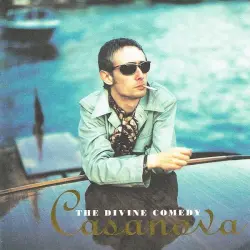
The band's fortunes shifted significantly with the release of Casanova in 1996. The single "Something for the Weekend" became their first major hit, propelling Neil Hannon to prominence as a distinctive pop figure, often seen in elegant suits. Their commercial peak coincided with the release of A Short Album About Love in 1997, recorded live with the Brunel Ensemble and fittingly released on Valentine's Day. The band also contributed a cover of Noel Coward's "I've Been to a Marvellous Party" to a tribute compilation.
Diversification and Continued Creativity
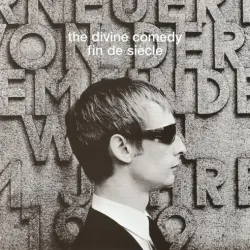
The 1998 album Fin De Siècle saw a move towards a more somber tone, though its biggest hit, the upbeat "National Express," about the coach operator, contrasted with the album's more introspective themes. 1999's compilation Secret History – The Best of The Divine Comedy included new material alongside their hits. In the same year, Hannon collaborated with Tom Jones on a cover of Portishead's "All Mine."
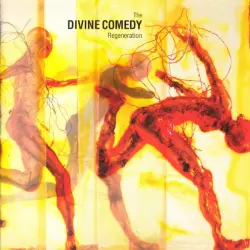
A more serious artistic endeavor emerged in 2000 with Hannon's collaboration with Ute Lemper on her album Punishing Kiss, where The Divine Comedy served as her backing band. The 2001 album Regeneration aimed to distance the band from its comedic associations, with Hannon adopting a Britrock image and working with producer Nigel Godrich. Despite critical praise, the album was not a commercial success, and shortly after its release, the band announced their split. However, Hannon soon resumed touring with a new lineup.
A new studio album, Absent Friends, was released in 2004, striking a balance between the band's earnest and lighter musical styles. The year also featured highly acclaimed performances at the London Palladium and the Royal Albert Hall, the former later released as a live DVD. In 2005, Hannon established his own record label, Divine Comedy Records, to re-release his back catalog.
The band's ninth album, Victory for the Comic Muse, arrived in June 2006, noted by fans for its more spontaneous sound and less personal approach, featuring contributions from Travis bassist Dougie Payne. In 2009, Hannon collaborated with Thomas Walsh of Pugwash under the alias The Duckworth Lewis Method, releasing a critically acclaimed album themed around cricket. The following year marked the release of the tenth Divine Comedy album, Bang Goes the Knighthood, their first on Hannon's own label.