History
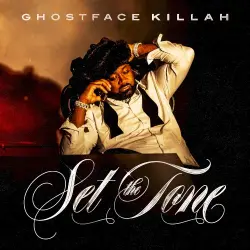
Dennis Coles, professionally known as Ghostface Killah, is a prominent American rapper and a core member of the Wu-Tang Clan. Born on May 9, 1970, in Staten Island, New York, he rose to international prominence following the group's landmark 1993 debut, Enter the Wu-Tang (36 Chambers). While the collective established a new blueprint for hardcore hip-hop, Ghostface emerged as one of its most distinctive and consistent solo voices.
Early Life and the Wu-Tang Clan
Raised in the Stapleton Houses in Staten Island, Ghostface's upbringing was marked by the challenges of poverty and a large family. In his autobiographical track "All That I Got Is You," he recounts living in a three-bedroom apartment with his mother and eight siblings after his father left the family when Coles was only six years old. These early experiences deeply informed the gritty, emotional storytelling and vivid imagery that would later define his discography.
His stage name was inspired by a character in the 1979 kung fu film Mystery of Chessboxing, reflecting the broader fascination with martial arts cinema that permeated the Wu-Tang Clan's aesthetic. As a close friend of the group's founding members, he played a pivotal role in the collective's rise to dominance in the 1990s.
Solo Career and Critical Acclaim
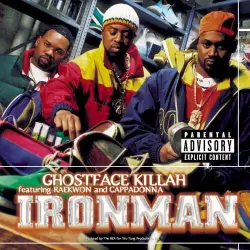
Ghostface Killah launched his solo career in 1996 with the release of Ironman. The album was a critical and commercial success, blending soulful R&B samples with his signature aggressive delivery. He solidified his status as a premier lyricist with the 2000 release of Supreme Clientele, an album widely credited with revitalizing the Wu-Tang brand and often cited as one of the greatest hip-hop records of all time due to its complex wordplay and innovative structure.
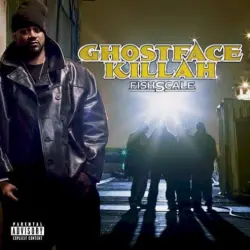
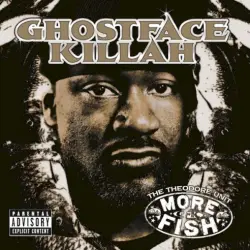
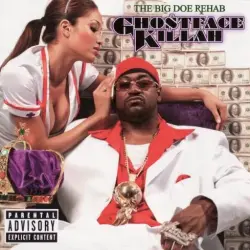
Throughout the 2000s, he maintained a prolific and highly regarded output. Key releases from this era include Fishscale (2006), which received widespread praise for its cinematic storytelling, as well as More Fish and The Big Doe Rehab. His ability to balance street narratives with vulnerable, personal reflections has allowed him to maintain a loyal following across decades.
Lyrical Style and Artistry
Ghostface Killah is celebrated for a unique vocal style characterized by a high-pitched, fast-paced flow. His lyrical approach often utilizes stream-of-consciousness narratives, incorporating cryptic slang, surrealist non-sequiturs, and intricate metaphors. This abstract style of writing has made him one of the most respected figures in the genre, influencing a generation of rappers who prioritize lyrical complexity.
Beyond his technical proficiency, his music is noted for its emotional resonance. Whether discussing the hardships of his youth or the intricacies of the criminal underworld, his delivery remains visceral and immediate, cementing his reputation as one of hip-hop's most imaginative and enduring storytellers.
Discography