
History
Mocedades is a legendary Spanish vocal group that emerged from Bilbao in the late 1960s, eventually becoming one of the most successful musical exports in Spain's history. Known for their intricate harmonies and a sound that blends traditional folk with sophisticated pop, the group achieved massive international recognition during the 1970s.
Origins and Formation
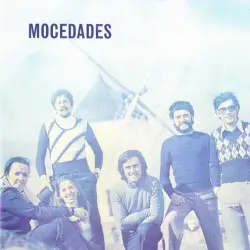
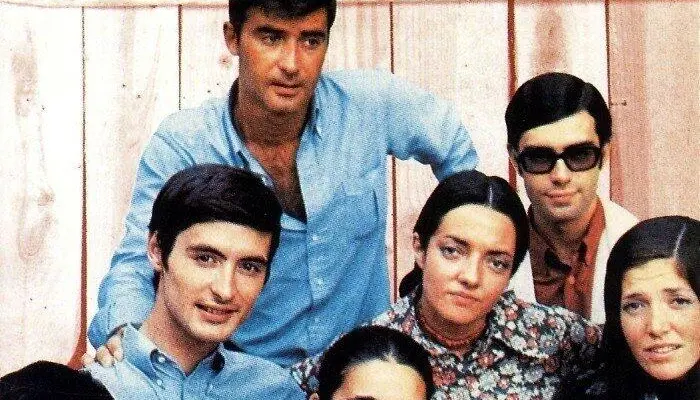
The group’s story began in 1967 when eight Basque students decided to form a musical ensemble initially called Voces y Guitarras ("Voices and Guitars"). The founding members included the Uranga siblings—Amaya, Estíbaliz, Izaskun, and Roberto—alongside brothers Rafael and Sergio Blanco, José Ipiña, and Francisco Panera. Drawing inspiration from folk music, spirituals, and the melodic structures of The Beatles, the group spent their first year performing locally in their hometown.
Their career took a significant turn when they sent a demo cassette to the renowned producer Juan Carlos Calderón in Madrid. Recognizing their potential, Calderón signed the group and suggested a name change to Mocedades (meaning "Youths" or "Things of Youth"). Under his guidance, the ensemble refined their sound, focusing on the powerful lead vocals of Amaya Uranga and the group's lush, orchestral arrangements.
Eurovision and the Success of "Eres Tú"
Mocedades reached the pinnacle of their fame in 1973 when they were selected to represent Spain in the Eurovision Song Contest held in Luxembourg. Their entry, "Eres Tú," composed by Juan Carlos Calderón, finished in second place with 125 points. Despite the runner-up position, the song became a massive global phenomenon, even outselling the winning entry, "Tu Te Reconnaîtras" by Anne-Marie David.
The song's success was briefly clouded by controversy when critics suggested it bore a resemblance to the 1966 Yugoslavian entry, "Brez Besed," performed by Berta Ambroz. However, no official sanctions were ever brought against the group or the composer. "Eres Tú" went on to become a rare Spanish-language hit on the Billboard Hot 100 in the United States, peaking at number nine and cementing the group's status as international stars.
Legacy and Evolution
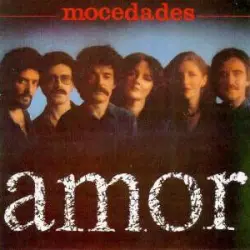
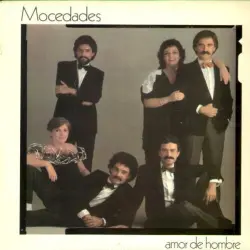
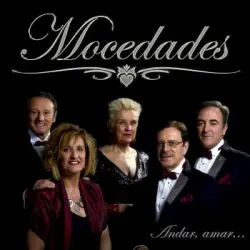
Following their Eurovision success, Mocedades continued to release popular albums and singles throughout the 1970s and 1980s, including hits like "Tómame o Déjame," "Secretaria," and "Amor de Hombre." While the lineup underwent several changes over the decades—most notably the departure of Estíbaliz and Sergio Blanco to form their own duo, and later the departure of lead singer Amaya Uranga for a solo career—the group's brand and musical style remained influential.
Today, Mocedades is remembered as a cornerstone of Spanish popular music, credited with bridging the gap between traditional Basque vocal traditions and modern commercial pop. Their discography remains a staple of the Latin music canon, celebrated for its emotional depth and technical vocal precision.
Discography