
History
GZA: The Fountain of Wisdom in Hip-Hop
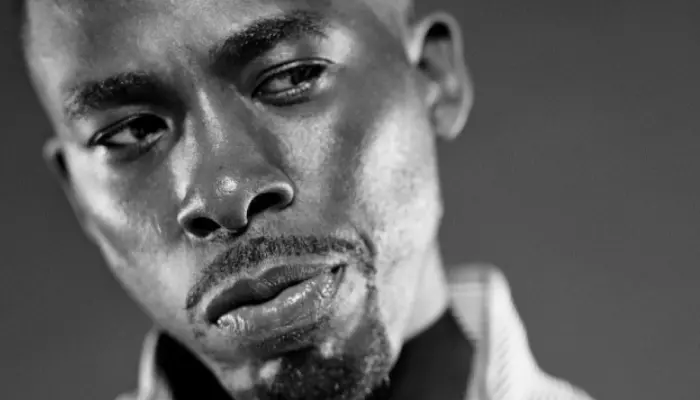
Gary Grice, born August 22, 1966, and widely known by his stage names GZA and The Genius, is a foundational figure in American hip-hop. As a charter member of the iconic Wu-Tang Clan, GZA's influence extends through the group's collective work, his bandmates' solo projects, and his own distinguished solo career.
A Master of Lyrical Craftsmanship
GZA is celebrated for his thought-provoking, street-honed lyricism. His intricate rhyme schemes and precise delivery are often compared to the meticulous skill of a ceramic artist. Critics frequently laud his metaphoric and multi-layered lyrics, deeming them nothing short of genius, a fitting descriptor for his chosen moniker.
From the Streets to the Studio
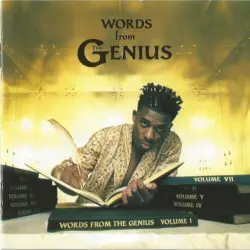
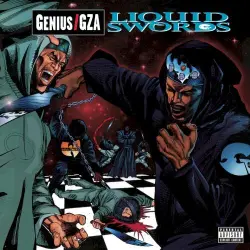
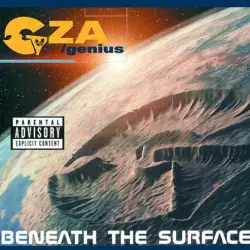
Born in Brooklyn, New York, and raised across all five boroughs, GZA's extensive catalog includes seminal works dating back to 1991. His discography features the debut album Words From The Genius, the critically acclaimed, gold-selling Liquid Swords, and Beneath The Surface. Before achieving widespread recognition, GZA honed his craft in the early days of hip-hop, participating in rhyme battles throughout New York City. He reflects on this formative period, stating, "I've studied rap in every borough. I've been rhyming before a lot of these cats out here were born. We've [Wu-Tang Clan] always drank, ate and slept hip-hop. I love it."
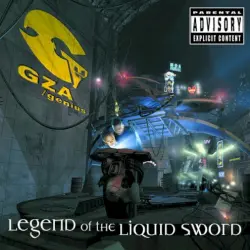
On his album Legend Of The Liquid Sword, GZA touches upon his deep roots in hip-hop culture. In the reflective track "Fam (Members Only)," he raps, "I grew up around B-Boys, DJs, MCs, through rap, never thinking in ways of TV. It was strictly all about magnificent rhyme clout."
Nurturing a Singular Talent
Throughout his career, GZA encountered established artists who recognized his potential and supported his development. "I watched a lot of people come up that are big now," he notes. "I used to make demo tapes with cats that rocked with Russell Simmons and people like that. The history goes so far back; I've always been really focused on writing dope rhymes."
The Evolution of a Lyrical Architect
GZA's pursuit of perfection is evident in his subsequent albums. Legend Of The Liquid Sword not only recaptured the potent energy of his previous work but also expanded his lyrical legacy with unwavering integrity. Tracks like the introspective "Auto Bio," where GZA explores the life experiences that shaped him, and the crime-narrative "Luminal," showcase his distinctive style.
What consistently sets GZA apart is his remarkable ability to construct vivid imagery through seemingly simple language. His words, much like a powerful image, convey profound meaning, requiring repeated listens to fully appreciate their depth. "I don't like to just be simple," he explains. "Even though some of my stuff can seem simple at times, I like to write in a way that when you listen to it over and over again, you hear something new and it requires you to think."
Legend Of The Liquid Sword exemplifies this approach. Whether listeners are captivated by the vocal contributions of Santi White on "Stay In Line" or the classic soul production on "Animal Planet," GZA delivers intellectually stimulating content. On "Animal Planet," produced by Bink, GZA masterfully uses metaphors to draw parallels between urban dwellers and the inhabitants of a jungle. The album is further enhanced by contributions from fellow Wu-Tang member RZA, as well as producers Jaz-O, DJ Muggs, Mathematics, and Arabian Knight, all of whom amplify GZA's lyrical prowess.
The track "Knock, Knock," the album's lead single, serves as a powerful call to arms for hip-hop, with GZA questioning the nature of incoming sounds: "knock, knock, who the f*** is banging at my door, is it abstract, commercial or hardcore?" Through his signature intricate rhyme construction, GZA continues to define the evolving landscape of rap music.
A Revolutionary Return
GZA's return is more than just a comeback; it represents a resurgence of revolutionary thought. He contrasts his approach with more conventional themes, explaining, "When we did 'Back In The Game' on the Wu-Tang Iron Flag album, I did a verse about gambling. I didn't want to be 'back in the game' or 'back on the block,' that's typical. I made it all metaphorical." It is this masterful use of metaphor that solidifies GZA's enduring status as a living legend.