
History
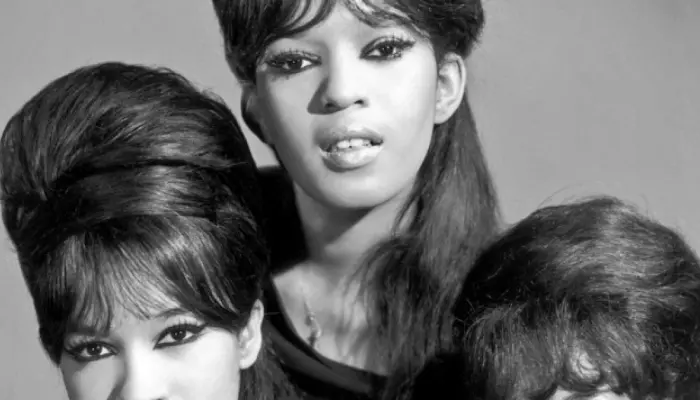
The Ronettes were one of the most influential girl groups of the 1960s, emerging from New York City to define the "Wall of Sound" era. The trio consisted of lead singer Veronica Bennett (later known as Ronnie Spector), her sister Estelle Bennett, and their cousin Nedra Talley. Known for their powerful harmonies, towering beehive hairstyles, and signature eyeliner, they became the premier act for legendary producer Phil Spector.
Origins and Early Career
The group began singing together as teenagers in the Washington Heights neighborhood of Manhattan. Originally performing as The Darling Sisters, they gained early momentum after winning a talent show at the Apollo Theatre in 1959. Under the management of Phillip Halikus, they began appearing at local record hops and charity events.
In 1961, a chance encounter at the Peppermint Lounge led to their first major break. When they were mistaken for a missing trio of dancers, they were ushered onto the stage to perform. Their impromptu rendition of Ray Charles' "What'd I Say" secured them a regular residency at the venue. During this period, they signed with the Colpix label and released their debut single, "I Want a Boy," under the name Ronnie & the Relatives. While they worked as backing vocalists for artists like Bobby Rydell and Del Shannon, their early recordings as The Ronettes saw limited commercial success.
The Philles Era and the Wall of Sound
The group’s trajectory changed in 1963 when they caught the attention of Phil Spector. Looking for a new group to succeed The Crystals, Spector was immediately struck by Ronnie’s unique vocal style. He signed them to his Philles label and meticulously crafted their public image as "bad girls," characterized by tight skirts and exaggerated hair.
Their first single for Philles, "Be My Baby," was a massive success. Co-written by Spector, Jeff Barry, and Ellie Greenwich, the track reached #2 on the U.S. pop charts and became a global hit. It was followed by a string of sophisticated pop records, including "Baby, I Love You," which featured a dense arrangement with contributions from Leon Russell and backing vocals by Cher. In 1964, they released their defining studio album, Presenting the Fabulous Ronettes Featuring Veronica.
Critical Success and International Tours
The Ronettes were highly regarded by their peers in the music industry. In 1964, they toured the United Kingdom with The Rolling Stones and developed a close friendship with The Beatles. Their recording of "Walking in the Rain" earned a Grammy Award for Best Sound Effects, marking the only Grammy Spector ever received during his peak production years. Other notable hits from this period included "(The Best Part Of) Breakin' Up" and "Do I Love You?"
Disbandment and Legal History
As the "British Invasion" and shifting musical trends moved the industry away from the girl group sound, The Ronettes struggled to maintain their chart dominance. After serving as an opening act for The Beatles' final 1966 tour, the group disbanded. Estelle and Nedra eventually married and left the industry, while Ronnie married Phil Spector in 1968, leading to a period of professional semi-retirement.
Following her divorce from Spector in the early 1970s, Ronnie attempted to revive the group with new members, releasing singles on the Buddah label. However, much of the group's later history was defined by a protracted legal battle. In 1988, the original members sued Phil Spector for unpaid royalties. While a New York court initially awarded them nearly $3 million in 2001, the decision was later overturned on appeal.
Legacy and Hall of Fame Induction
The Ronettes' influence on pop and rock music is extensive, cited as a major inspiration by artists ranging from Brian Wilson to Amy Winehouse. Their contributions were officially recognized in 2004 with an induction into the Vocal Group Hall of Fame.
Despite years of reported interference from Phil Spector regarding their nomination, The Ronettes were finally inducted into the Rock and Roll Hall of Fame in 2007. They were introduced by long-time fan Keith Richards, and Ronnie and Nedra performed their classic hits during the ceremony. Estelle Bennett, who was present for the induction, passed away in 2009, followed by Ronnie Spector in 2022, leaving behind a legacy as one of the most iconic vocal groups in music history.