
History
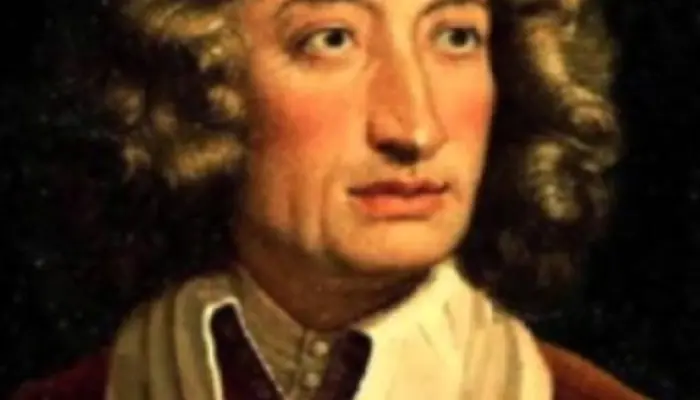
Johann Pachelbel (baptised September 11, 1653 – buried March 9, 1706) was a prominent German composer, organist, and teacher of the middle Baroque period. He was a leading figure in the south German organ school, leaving behind a significant body of sacred and secular music. Pachelbel made notable contributions to the development of the chorale prelude and fugue, solidifying his reputation as an important composer of his time.
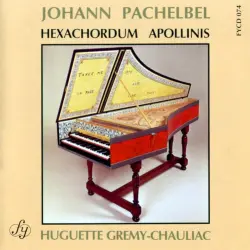
During his life, Pachelbel's music enjoyed considerable popularity, and he instructed numerous students. His compositions had a notable influence on composers throughout southern and central Germany. Today, he is most widely recognized for his "Canon in D." Other well-known works include the "Chaconne in F minor," the organ piece "Toccata in E minor," and the keyboard variation set "Hexachordum Apollinis."
Pachelbel's musical style was shaped by influences from south German composers such as Johann Jakob Froberger and Johann Caspar Kerll, Italian masters like Girolamo Frescobaldi and Alessandro Poglietti, French composers, and the Nuremberg musical tradition. His compositions are characterized by clear and direct counterpoint, with an emphasis on melodic and harmonic transparency. While his music is generally less virtuosic and harmonically daring than that of contemporaries like Dieterich Buxtehude, Pachelbel, like Buxtehude, explored diverse ensembles and instrumental combinations in his chamber and vocal works, the latter often featuring rich orchestration. He also extensively utilized various variation forms and techniques across his compositions, from sacred concertos to harpsichord suites.
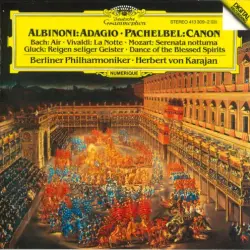
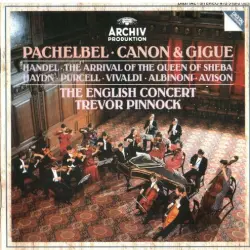
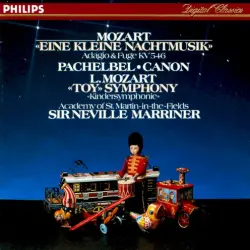
Discography