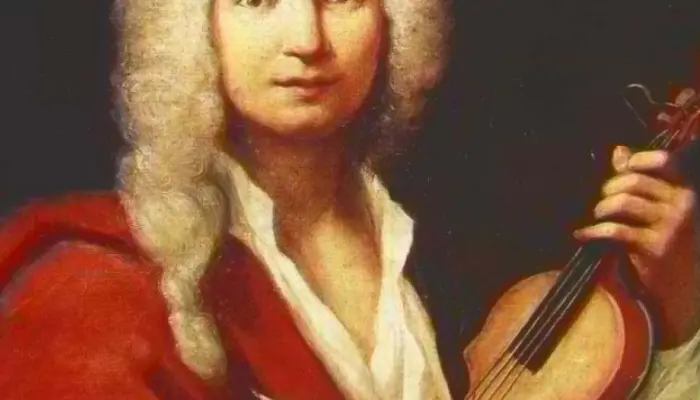

History
Antonio Vivaldi (1678–1741) was a preeminent Italian composer, violinist, and priest of the Baroque era. Revered as one of the most influential composers of his time, his music resonated throughout Europe, shaping the development of orchestration, violin technique, and programmatic music. Vivaldi was instrumental in solidifying the concerto form, particularly the solo concerto, establishing it as a significant musical structure.
Musical Contributions and Works
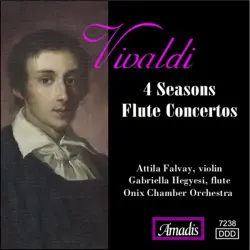
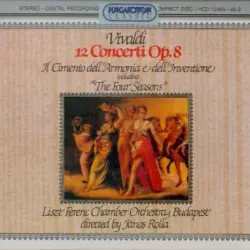
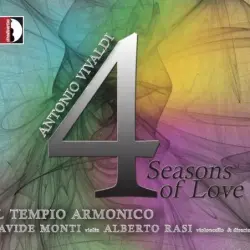
Vivaldi's prolific output includes a vast array of instrumental concertos, notably for the violin, alongside sacred choral works and over fifty operas. His most celebrated composition remains the collection of violin concertos known as The Four Seasons. Many of these pieces were composed for the Ospedale della Pietà, an orphanage for girls renowned for its exceptional all-female musical ensemble.
Life and Career
Born in Venice, Vivaldi began his theological studies at 15 and was ordained a priest at 25. However, health issues, specifically respiratory problems, prevented him from celebrating public Mass. He achieved considerable success with his opera productions in Venice, Mantua, and Vienna.
Later Years and Legacy
Seeking imperial patronage, Vivaldi relocated to Vienna after an encounter with Emperor Charles VI. Tragically, the Emperor passed away soon after Vivaldi's arrival, and the composer died in poverty less than a year later. Following a period of diminished recognition for nearly two centuries, Vivaldi's music experienced a significant revival in the early 20th century, spurred by extensive scholarly research. Numerous works, once believed lost, have since been rediscovered, ensuring his music's continued popularity and frequent performance worldwide.
Discography