
History
Béla Bartók: A Pioneer of 20th-Century Music
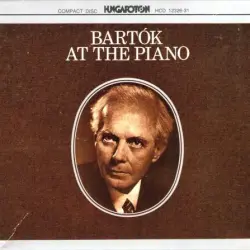
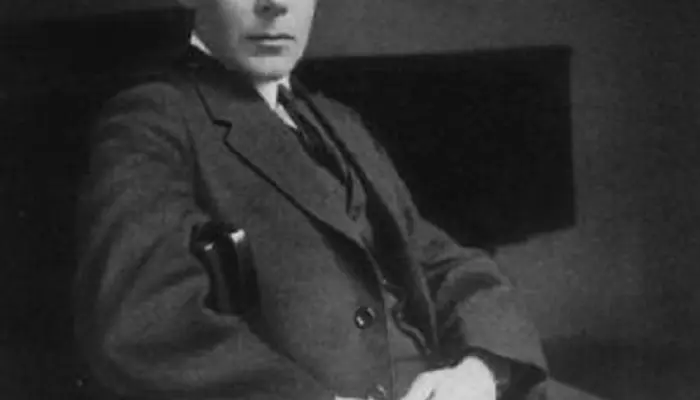
Béla Bartók (1881–1945) was a Hungarian composer, pianist, and ethnomusicologist whose innovative approach and deep engagement with folk music profoundly shaped 20th-century classical music. He is widely regarded as one of the most significant composers of his era.
Early Life and Musical Awakening
Born on March 25, 1881, in Nagyszentmiklós, Austria-Hungary (now Sânnicolau Mare, Romania), Bartók displayed exceptional musical talent from a young age. He received his formal training at the Budapest Academy of Music. During this period, his fascination with folk music began to grow, leading him to undertake extensive travels across Eastern Europe to collect and document traditional melodies.
Evolution of a Unique Style
Bartók's early compositions were influenced by late Romanticism and contemporaries like Richard Strauss and Claude Debussy. However, his deep immersion in folk music spurred a significant stylistic evolution. He began to integrate elements of Hungarian and broader Eastern European folk traditions into his work, resulting in a distinctive sound characterized by rhythmic complexity, the use of dissonance, and unconventional harmonic language.
Notable Works and Genres
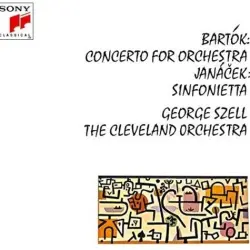
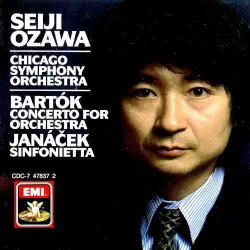
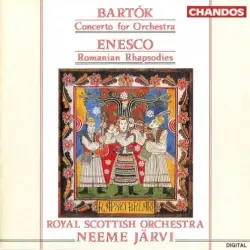
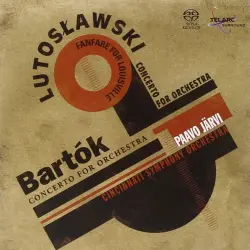
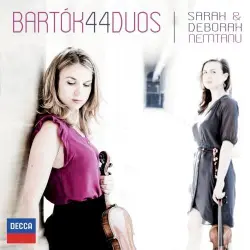
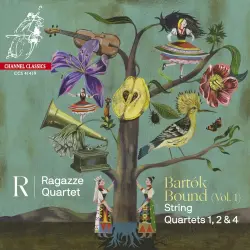
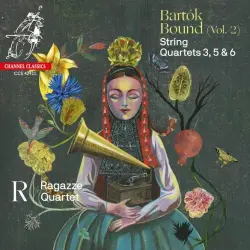
Bartók's prolific output spanned a wide range of genres, including orchestral works, chamber music, solo piano pieces, and choral compositions. Among his most celebrated creations are the Concerto for Orchestra, the six String Quartets, the pedagogical piano cycle Mikrokosmos, and the opera Duke Bluebeard's Castle.
Exile and Legacy
Bartók's life was marked by significant personal and political challenges. Troubled by the rise of fascism and the political climate in Europe during the 1930s and 1940s, he emigrated to the United States in 1940. There, he faced financial hardship and struggled to achieve widespread recognition for his music. His health deteriorated, and he died of leukemia in New York City on September 26, 1945. Bartók's enduring legacy lies in his groundbreaking synthesis of folk idioms with modernist compositional techniques, leaving an indelible mark on generations of musicians.
Discography