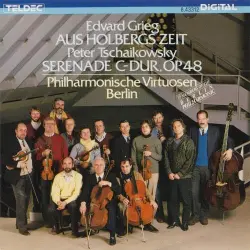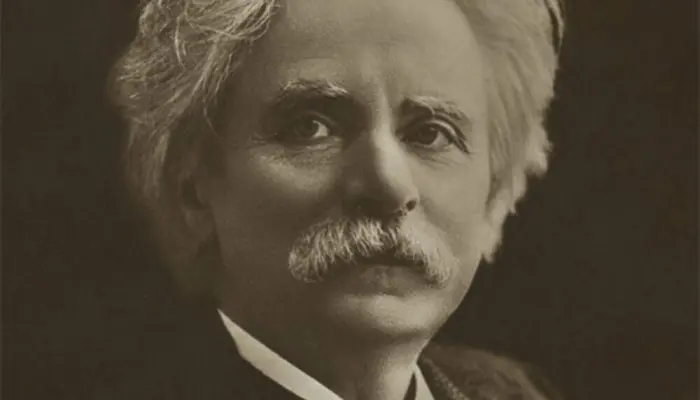

Edvard Grieg (1843–1907) stands as the most significant Norwegian composer of the Romantic era. His work is celebrated for its lyrical beauty and its profound influence on Norway's national identity. By incorporating traditional Norwegian folk melodies and rhythms into the classical tradition, Grieg elevated the music of his homeland to the international stage, paralleling the nationalist movements led by contemporaries such as Antonín Dvořák and Jean Sibelius.
Born in Bergen, Norway, Grieg grew up in a musical household where his mother, Gesine, provided his initial piano instruction. The family had Scottish roots; his great-grandfather had settled in Bergen around 1770 after the Battle of Culloden. Grieg's path toward a professional career was solidified in 1858 when he met the violin virtuoso Ole Bull. Recognizing the teenager's potential, Bull persuaded Grieg’s parents to send him to the Leipzig Conservatory.
Style over time
Genres of the artist's albums over the years: the higher the line, the stronger the genre on that album











Similar artists
Artists on air on the same radio stations and in the same genres


Fans
Discussion
No comments yet — be the first
On the radio
Stations that played Edvard Grieg in the last 30 days
- 128×
Classic FM Essential Classical
 United Kingdom · Romantic Classical
- 84×
Magic FM Ckassic Music
 Romania · Romantic Classical
- 81×
Oxygen Classics
 Hungary · Orchestral
- 74×
Classic FM Calm
United Kingdom · Modern Classical - 64×
Classic FM HD
United Kingdom · Romantic Classical - 64×
Classic nl original
 Netherlands · Romantic Classical
- 63×
Radio Noise Opera
Romania · Classical - 58×
Radio Meerklassik
 Germany · Classical
- 56×
Classic FM Music For Pets
United Kingdom · Opera - 52×
Classic FM Hall of Fame
United Kingdom · Romantic Classical - 50×
classic nl mind radio
Netherlands · Romantic Classical - 47×
LA GRANDE MUSIQUE Romantique
 France · Classical







Discography