
History
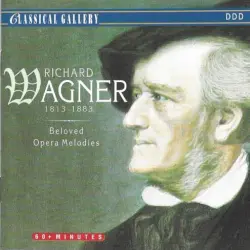
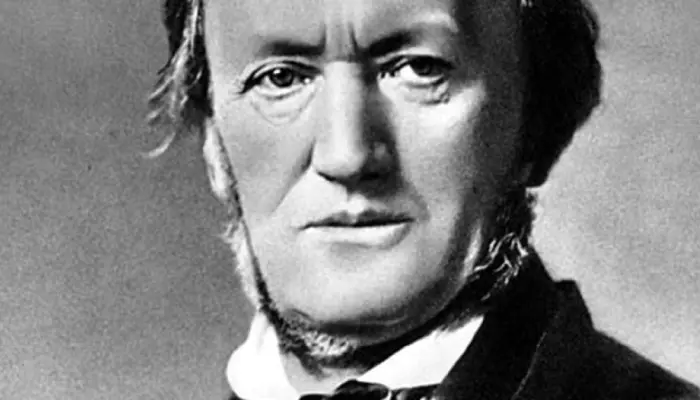
Richard Wagner (1813-1883)
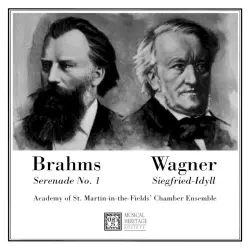
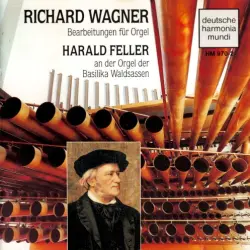
Wilhelm Richard Wagner was a pivotal German composer, theatre director, polemicist, and conductor, renowned primarily for his operas, later termed "music dramas." A distinctive feature of his work was his authorship of both the libretto and the music for each of his stage compositions.
Artistic Innovations and the Gesamtkunstwerk
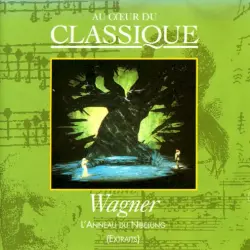
While initially gaining recognition for works in the romantic tradition of composers like Carl Maria von Weber and Giacomo Meyerbeer, Wagner fundamentally reshaped opera with his concept of the Gesamtkunstwerk, or "total work of art." This vision aimed to unify poetic, visual, musical, and dramatic elements, with music serving the drama. Wagner articulated these ideas in a series of essays published between 1849 and 1852. His ambitious four-opera cycle, Der Ring des Nibelungen (The Ring of the Nibelung), stands as a prime realization of these principles.
Musical Language and Lasting Influence
Wagner's compositions, particularly those from his later period, are characterized by their intricate textures, rich harmonies, elaborate orchestration, and the sophisticated use of leitmotifs—recurring musical themes associated with specific characters, places, ideas, or plot points. His innovations in musical language, including extreme chromaticism and fluid tonal centers, profoundly impacted the trajectory of classical music. His opera Tristan und Isolde is often cited as a marker for the beginning of modern music.
Bayreuth and Later Works
Wagner commissioned the construction of his own opera house, the Bayreuth Festspielhaus, incorporating numerous innovative design features. This venue hosted the premieres of The Ring and Parsifal, and his most significant stage works continue to be performed annually at the Bayreuth Festival, managed by his descendants. In his final stage works, including Die Meistersinger von Nürnberg (The Mastersingers of Nuremberg), Wagner revisited his theories, reintroducing some traditional operatic forms.
Life and Controversies
Wagner's life was marked by political exile, tumultuous personal relationships, financial struggles, and frequent evasion of creditors. His writings on music, drama, and politics have generated considerable discussion, particularly concerning his antisemitic sentiments, which have drawn significant attention since the late 20th century. The impact of his ideas extended far beyond music, influencing philosophy, literature, visual arts, and theatre throughout the 20th century and beyond.