History
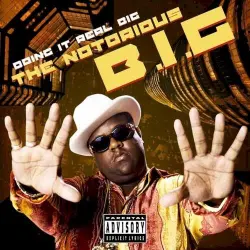
Christopher George Latore Wallace (May 21, 1972 – March 9, 1997), known professionally as The Notorious B.I.G., Biggie Smalls, or simply Biggie, was an American rapper widely regarded as one of the most influential figures in hip-hop history. Emerging from the Brooklyn rap scene, Wallace became the face of East Coast hip-hop during the mid-1990s, revitalizing New York City's presence in the genre at a time when West Coast artists dominated the mainstream.
Early Life and Brooklyn Roots
Born in the Clinton Hill neighborhood of Brooklyn, New York, Wallace was the son of Jamaican immigrants. His mother, Voletta Wallace, was a preschool teacher, and his father, Selwyn George Latore, was a welder and politician. Although he excelled in school and won awards as an English student, Wallace began dealing drugs at the age of 12. He attended George Westinghouse Career and Technical Education High School, where he was classmates with future hip-hop icons Jay-Z and Busta Rhymes. By age 17, Wallace had dropped out of school, leading to a period of legal troubles and incarceration before he turned his focus toward music.
Rise to Prominence and Ready to Die
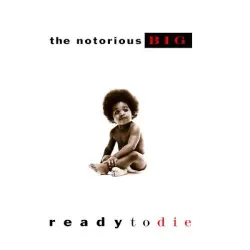
Wallace’s career began to gain momentum after he recorded a demo tape that caught the attention of The Source magazine and eventually Sean "Puffy" Combs, who signed him to the newly formed Bad Boy Records. His 1994 debut album, Ready to Die, was a critical and commercial landmark. It featured hit singles like "Juicy" and "Big Poppa," blending gritty street narratives with a polished, radio-friendly sound. The album is credited with shifting the hip-hop landscape back toward the East Coast, providing a gritty, semi-autobiographical look at crime and hardship in New York City.
The East Coast–West Coast Feud and Death
As his fame grew, Wallace became a central figure in the escalating rivalry between the East Coast and West Coast hip-hop communities. This period was marked by personal and professional tension, most notably with Tupac Shakur and Death Row Records. On March 9, 1997, while in Los Angeles to promote his upcoming project, Wallace was killed in a drive-by shooting. The identity of his assailant remains unknown. His second studio album, Life After Death, was released just two weeks later. The double album debuted at number one on the Billboard 200 and eventually earned a Diamond certification, signifying over 10 million units sold.
Artistic Style and Lyrical Themes
The Notorious B.I.G. was celebrated for his effortless, "loose" flow and his ability to weave complex, vivid narratives. His lyrical content was diverse, ranging from:
Critics often noted his versatility; he could transition from the dark, paranoid atmosphere of tracks like "Suicidal Thoughts" to the celebratory, upbeat energy of "Hypnotize."
Legacy and Cultural Impact
Since his death, Wallace has been consistently ranked by publications such as Rolling Stone, Billboard, and The Source as one of the greatest rappers of all time. His influence persists through the countless artists who have sampled or quoted his lyrics, including Jay-Z, Eminem, Lil Wayne, and Michael Jackson. In 2020, he was posthumously inducted into the Rock and Roll Hall of Fame.
Beyond music, his estate has maintained his presence through the Christopher Wallace Memorial Foundation, which supports children's education through the "Books Instead of Guns" initiative. His image remains a cultural staple, immortalized in murals across Brooklyn and referenced frequently in film and television.