
History
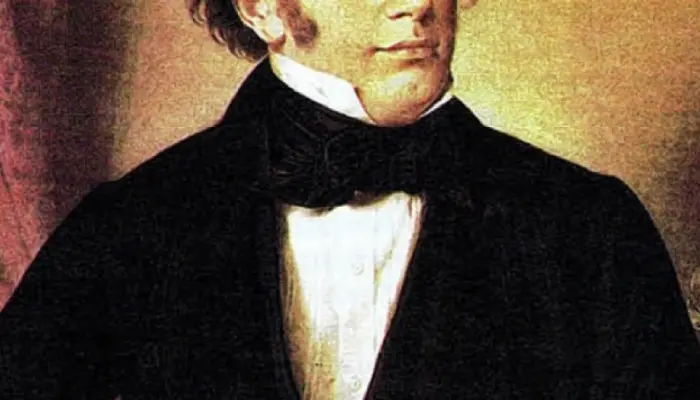
Franz Schubert (1797–1828)
Franz Peter Schubert was an Austrian composer of the late Classical and early Romantic periods. Despite a life cut short at 31, he produced an extensive body of work, encompassing over 600 secular vocal pieces, primarily lieder, seven complete symphonies, sacred music, operas, incidental music, and a significant collection of piano and chamber music.
Key Works
Early Life and Career
Born in Himmelpfortgrund, a suburb of Vienna, Schubert displayed exceptional musical talent from a young age. After initial instruction from his father and elder brother, he entered the Stadtkonvikt school in 1808. There, he encountered the orchestral works of Haydn, Mozart, and Beethoven. He left the Stadtkonvikt in 1813 and returned home, beginning studies to become a schoolteacher while continuing composition lessons with Antonio Salieri and composing prolifically.
Schubert's admission to the Gesellschaft der Musikfreunde as a performing member in 1821 helped raise his profile in Vienna. In March 1828, he held a concert of his own works to critical acclaim, the only such event during his lifetime. He passed away eight months later, officially from typhoid fever, though some historians suggest syphilis as a possible cause.
Legacy
While Schubert's music was appreciated by a select group of admirers during his life, interest in his compositions grew significantly in the decades following his death. Composers such as Felix Mendelssohn, Robert Schumann, Franz Liszt, and Johannes Brahms were instrumental in discovering and promoting his work. Today, Franz Schubert is recognized as one of the most important composers in the history of Western classical music, and his compositions remain widely admired and performed.
Discography