
History
Gustav Mahler: Composer and Conductor
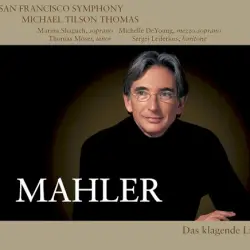
Gustav Mahler (1860–1911) was a pivotal Austro-Bohemian composer and conductor, recognized as a crucial link between 19th-century Austro-German musical traditions and the burgeoning modernism of the early 20th century. Though highly respected as a conductor during his lifetime, his compositions experienced periods of neglect and were even banned in much of Europe during the Nazi era. Following World War II, Mahler's music underwent a significant rediscovery and is now a staple of concert halls and recording studios worldwide.
Early Life and Conducting Career
Born in Bohemia, then a part of the Austrian Empire, Mahler hailed from a Jewish family of modest means. His exceptional musical talent emerged early, leading him to graduate from the Vienna Conservatory in 1878. He embarked on a distinguished conducting career, holding positions in various European opera houses. His tenure culminated in his appointment as director of the Vienna Court Opera in 1897. To secure this post, Mahler converted to Catholicism, a move that drew criticism from anti-Semitic factions within the press. Nevertheless, his innovative staging and exacting standards solidified his reputation as a preeminent opera conductor, celebrated for his interpretations of works by Wagner, Mozart, and Tchaikovsky. Later in his career, he also briefly led the Metropolitan Opera and the New York Philharmonic.
Compositional Style and Legacy
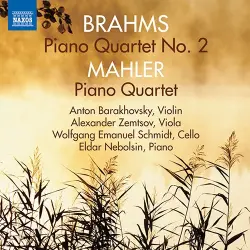
Mahler's output as a composer is relatively compact, largely due to the demands of his full-time conducting career. His major works, with the exception of early pieces like a movement from a piano quartet composed during his studies, typically feature large orchestras, symphonic choirs, and operatic soloists. While initially met with controversy, his compositions, including his Second Symphony and the highly successful premiere of his Eighth Symphony in 1910, gradually garnered acclaim. Mahler's influence extended to composers of the Second Viennese School, such as Arnold Schoenberg, Alban Berg, and Anton Webern, as well as later figures like Dmitri Shostakovich and Benjamin Britten. The International Gustav Mahler Society, established in 1955, continues to honor his life and artistic contributions.
Discography