 Russia
25 сентября 1906 – 9 августа 1975
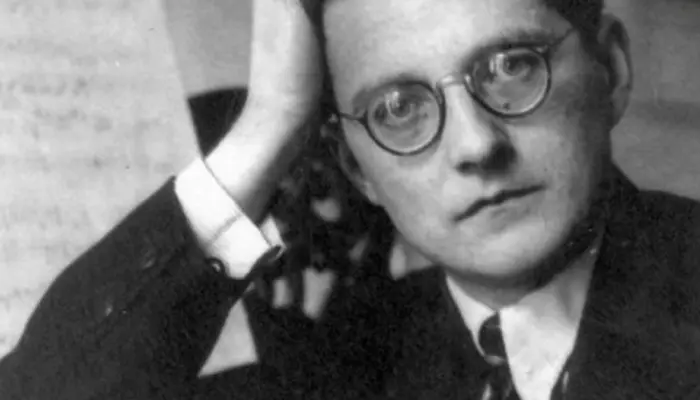
Дмитрий Дмитриевич Шостакович
History
Dmitri Dmitriyevich Shostakovich (1906–1975) was a prominent Russian composer of the Soviet era, recognized as one of the most significant composers of the 20th century. His extensive body of work, particularly his symphonies and string quartets, showcases a unique musical language characterized by sharp contrasts, elements of the grotesque, and profound emotional depth.
Musical Development and Style
Shostakovich's early compositions demonstrated influences from Sergei Prokofiev and Igor Stravinsky, notably in his Symphony No. 1. He then explored modernism with works like Symphony No. 2 and the opera The Nose. His style evolved into a distinctive hybrid, evident in the opera Lady Macbeth of the Mtsensk District and the Fourth Symphony. This style blended neo-classical elements, with Stravinskian undertones, and post-romantic sensibilities, drawing parallels with Gustav Mahler. Shostakovich's approach to tonality was innovative, incorporating modal scales and astringent neo-classical harmonies reminiscent of Paul Hindemith and Prokofiev.
Orchestration and Major Works
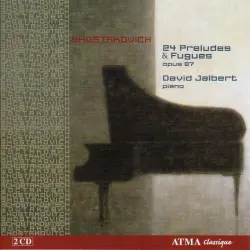
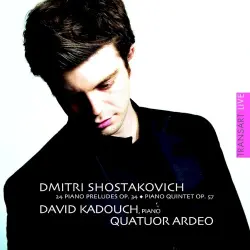
He was particularly proud of his orchestration, which was noted for its clarity, economy, and projection, a technique often compared to Mahler's rather than Nikolai Rimsky-Korsakov's. His most celebrated works are generally considered his fifteen symphonies and fifteen string quartets. His piano compositions include two piano sonatas, an early collection of preludes, and a later cycle of 24 preludes and fugues. Other notable works encompass two operas, six concertos, and a considerable amount of film music.
Relationship with the Soviet Government and Legacy
Shostakovich navigated a complex and often fraught relationship with the Soviet regime. His music faced official condemnation on two occasions (1936 and 1948) and was periodically banned. Despite these challenges, he received numerous state awards and accolades and even served in the Supreme Soviet. His compositions remained popular among the public. He is widely regarded as the most talented Soviet composer of his generation and, according to Grove's Dictionary, the most popular composer of serious art music of the mid-20th century. David Fanning, writing in Grove, notes that Shostakovich "succeeded in forging a musical language of colossal emotional power" amidst conflicting pressures from official demands, national suffering, and his personal ideals.
Discography