
History
Earl Simmons (December 18, 1970 – April 9, 2021), known professionally as DMX (Dark Man X), was a pivotal figure in hardcore hip-hop. Emerging from Yonkers, New York, he became one of the most commercially successful and influential rappers of the late 1990s and early 2000s. His work was defined by a signature gravelly delivery and lyrics that frequently balanced aggressive street narratives with profound spiritual reflection.
Early Life and the Origin of DMX
Born in Mount Vernon and raised in the School Street housing projects of Yonkers, Simmons faced a difficult upbringing marked by time spent in group homes and frequent legal struggles. He began his musical journey as a beatboxer in his early teens, eventually transitioning into rapping. His stage name was inspired by the Oberheim DMX drum machine, though he later interpreted the acronym as "Dark Man of the Unknown."
DMX built a formidable reputation on the New York underground scene through the late 1980s and early 1990s. He gained significant attention after being featured in the "Unsigned Hype" column of The Source magazine in 1988. His reputation was further bolstered by high-profile rap battles, including a legendary encounter with a young Jay-Z. After a brief, unsuccessful stint with Columbia Records, he signed with the Ruff Ryders management team, eventually securing a major-label deal with Def Jam Recordings.
Mainstream Breakthrough and 1998 Dominance
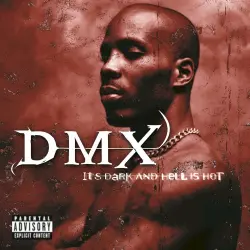
In 1997, DMX generated massive industry momentum through guest appearances on tracks like LL Cool J's "4, 3, 2, 1," Ma$e's "24 Hours to Live," and The LOX's "Money, Power, & Respect." This buzz culminated in the 1998 release of his debut studio album, It's Dark and Hell Is Hot. Led by the gold-certified single "Get At Me Dog" and the iconic "Ruff Ryders' Anthem," the album debuted at number one on the Billboard 200. It is widely credited with revitalizing hardcore rap in the mainstream, offering a gritty alternative to the pop-oriented "shiny suit" era of hip-hop.
Later that same year, DMX achieved a historic milestone by releasing his second album, Flesh of My Flesh, Blood of My Blood. It also debuted at number one, making him the first rapper to have two albums reach the top of the charts within a single calendar year. The album featured the introspective hit "Slippin'," which showcased a more vulnerable side of his persona.
A Record-Breaking Career
DMX's commercial peak continued with his third release, 1999's ...And Then There Was X. The album became his best-selling project, certified six times platinum in the U.S., and featured his most successful crossover single, "Party Up (Up in Here)." He followed this with The Great Depression (2001) and Grand Champ (2003).
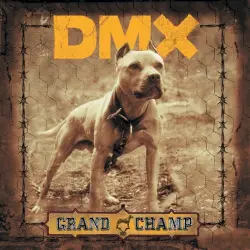
With the release of Grand Champ, DMX became the only artist in history to have his first five studio albums debut at number one on the Billboard 200. Following this achievement, he briefly announced his retirement from music to focus on his faith and his goal of becoming a preacher. However, he returned to the industry in 2006, signing with Sony BMG for the release of Year of the Dog... Again, which narrowly missed the top spot on the charts.
Acting and Personal Legacy
Beyond his music career, DMX was an accomplished actor. He made his cinematic debut in Hype Williams' Belly (1998) alongside Nas and Method Man, and later starred in major action films such as Romeo Must Die (2000), Exit Wounds (2001), and Cradle 2 the Grave (2003). His screen presence was often noted for the same intensity and charisma found in his recording sessions.
Throughout his life, Simmons was open about his struggles with addiction and his deep religious faith, often concluding his albums and concerts with public prayers. He was also a well-known enthusiast of pit bull-type dogs and a philanthropist who contributed to various causes in New York City.
DMX passed away on April 9, 2021, in White Plains, New York, following a heart attack. He remains a revered figure in hip-hop, remembered for his raw emotional honesty and his role in defining the sound of an era.