
History
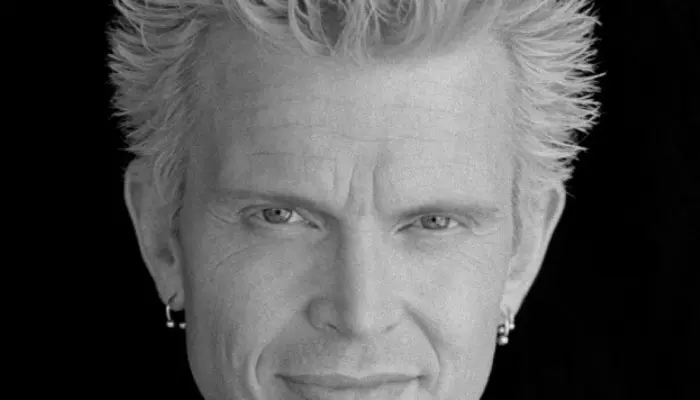
Billy Idol (born William Michael Albert Broad) is a British-American singer, songwriter, and actor who rose to prominence as a central figure of the punk rock movement before becoming a global pop-rock icon. His stage name was famously inspired by a schoolteacher's critique, where he was described as "idle."
Punk Roots and Generation X
Idol began his musical journey in late 1976 as a guitarist for the punk band Chelsea. His tenure with the group was brief, as he soon departed to co-found Generation X with bassist Tony James. As the frontman, Idol led the band to significant success within the United Kingdom's burgeoning punk scene. Generation X released three studio albums through Chrysalis Records, blending high-energy punk with a melodic sensibility that set the stage for Idol’s future solo endeavors.
Solo Breakthrough and the MTV Era
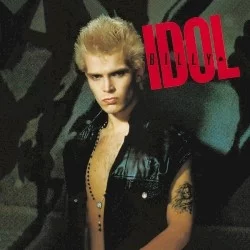
Following the dissolution of Generation X in 1981, Idol relocated to New York City to launch a solo career. He formed a pivotal creative partnership with guitarist Steve Stevens, whose distinctive playing style became a hallmark of Idol's sound. His self-titled debut album, Billy Idol (1982), established him as a commercial force. Supported by heavy rotation on the newly launched MTV, music videos for "Dancing with Myself" and "White Wedding" turned Idol into a household name and a leading figure of the "Second British Invasion" in the United States.
Commercial Peak and Global Success
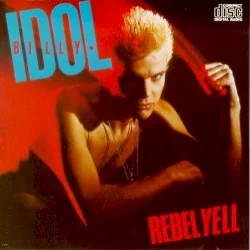
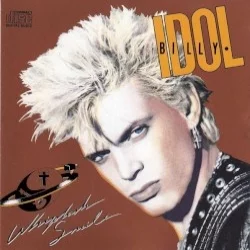
Idol's mainstream dominance solidified with the release of Rebel Yell in 1983. The album was a massive commercial hit, achieving double platinum status in the U.S. and producing several enduring singles, including the title track and the atmospheric ballad "Eyes Without a Face." He continued his streak of success with Whiplash Smile (1986), which featured the hit "To Be a Lover." By the late 1980s, Idol was a fixture on international charts, a status celebrated by the 1988 platinum-selling compilation Idol Songs: 11 of the Best.
Later Career and Musical Evolution
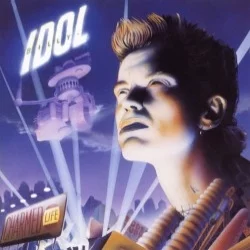
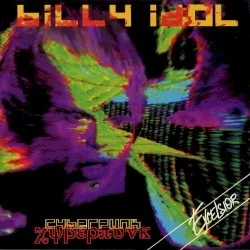
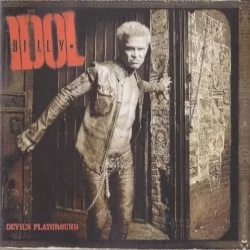
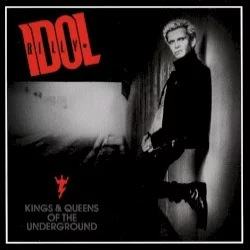
The 1990s saw Idol experimenting with his sound and public image. He released Charmed Life in 1990, which featured the hit "Cradle of Love," followed by the ambitious, electronic-influenced concept album Cyberpunk in 1993. After taking a hiatus from the spotlight during the latter half of the decade to focus on his personal life, Idol returned to the studio in the 2000s. He made a successful musical comeback with Devil's Playground (2005) and later released Kings & Queens of the Underground (2014), continuing to tour and record for a dedicated global audience.
Discography